Mizuho: Yen Trades Like Emerging Market Currency
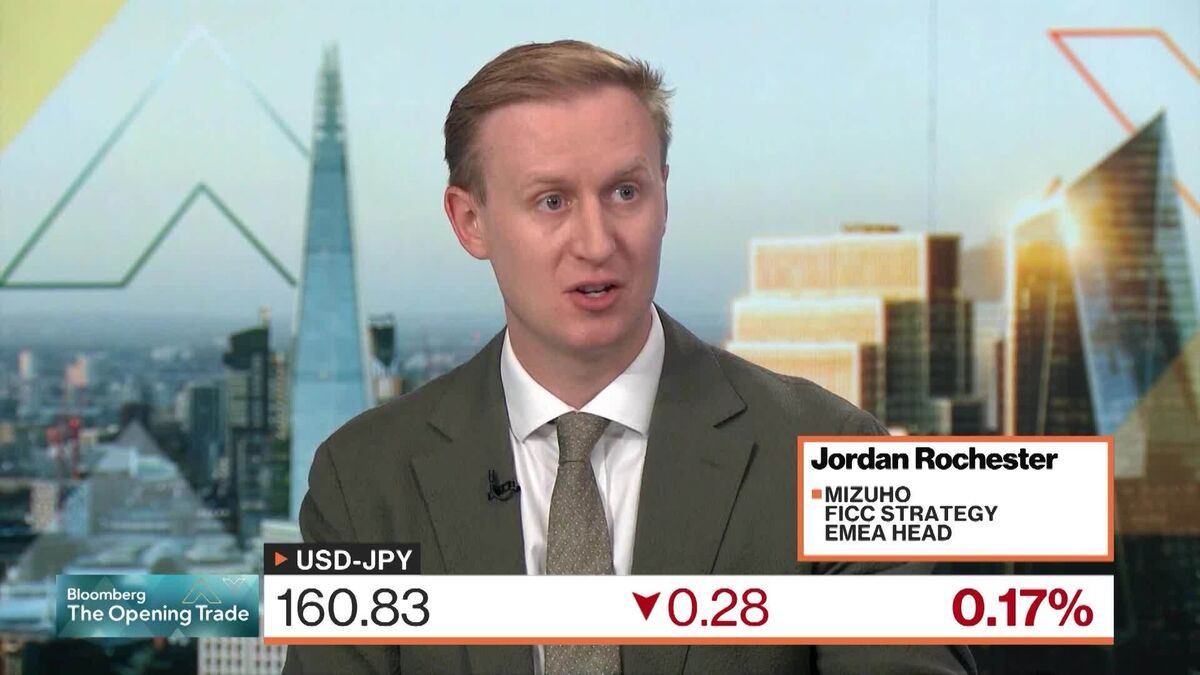
The Japanese yen is exhibiting behaviors more akin to an emerging market currency than a Group of Ten (G10) currency, according to Jordan Rochester, Mizuho FICC strategy EMEA head. In an interview with Bloomberg Television, Rochester explained that based on various analytical frameworks, the dollar-yen exchange rate should be lower than its current levels. He highlighted a significant shift in the yen's trading patterns, noting that its correlation with interest rates now resembles that of emerging market currencies.
Rochester elaborated that this deviation from typical G10 currency behavior suggests a fundamental change in how the yen is being influenced by global financial dynamics. G10 currencies, which include major economies like the US dollar, euro, and British pound, generally exhibit more stable and predictable relationships with interest rate differentials. The yen's current trading pattern, however, indicates a heightened sensitivity to rate movements, a characteristic more commonly associated with economies that are more vulnerable to capital flows and interest rate volatility.
This observation by Mizuho points to potential underlying economic or policy factors within Japan that are altering the yen's traditional role in international finance. The implications of the yen trading like an emerging market currency could include increased volatility, greater susceptibility to speculative trading, and a different impact on global trade and investment flows. The analysis underscores a notable departure from established currency market norms for one of the world's major economies.
Original source — read the full reporting at the publisher:
Read on Bloomberg Markets