Tankers Divert from Hormuz Amid Iran's Asserted Control
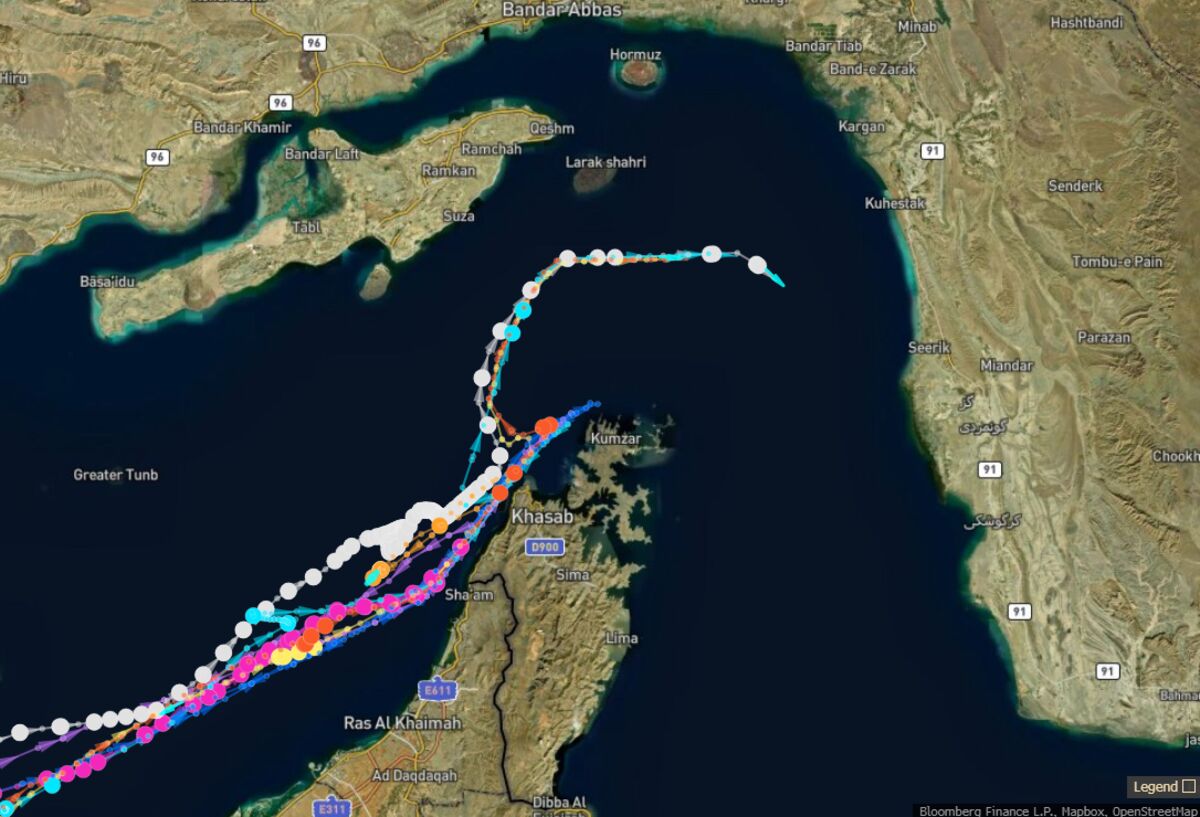
At least eight vessels attempting to depart the Persian Gulf via the Omani coast reversed course between Friday and Saturday, indicating ongoing complications in reopening the Strait of Hormuz. These diversions highlight Iran's efforts to assert control over the critical maritime passage. Some of the affected ships subsequently altered their transits to follow a route positioned nearer to Iran's coastline.
The situation reflects a broader pattern of maritime traffic adjustments in response to regional tensions. The Strait of Hormuz is a vital chokepoint for global oil shipments, and any disruption or perceived threat to its passage can significantly impact international energy markets. The decision by these tankers to turn back or reroute underscores the caution adopted by shipping companies and their crews when navigating potentially volatile areas.
While the specific reasons for each vessel's U-turn were not detailed, the timing suggests a direct correlation with Iran's recent actions or statements regarding its jurisdiction and control over the waterway. The alternative route chosen by some tankers, closer to Iran, implies a calculated risk assessment, balancing the potential for increased scrutiny or interference against the direct transit through the Strait. This strategic rerouting demonstrates the adaptability of the shipping industry to geopolitical developments, prioritizing safety and continuity of operations.
The continued complexity surrounding the Strait of Hormuz's accessibility is a developing story with potential implications for global trade and energy security. The willingness of some vessels to navigate closer to Iran's coast, rather than forgo transit entirely, suggests a nuanced approach to risk management by the maritime sector. Further monitoring will be necessary to ascertain the long-term impact of Iran's asserted control on shipping patterns through this crucial global waterway.
Original source — read the full reporting at the publisher:
Read on Bloomberg Markets