By Interestana AI Editorial — AI-drafted, human-overseen. How we report
WHO Seeks Full Data from Russia on Suspected Plague Death in Siberia
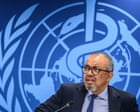
The World Health Organization (WHO) has publicly stated that it lacks the "full picture" from Russia concerning the suspected death of a 28-year-old laboratory worker from plague in Siberia last week. The United Nations health agency underscored the critical need for "transparent information sharing" from Moscow to enable a comprehensive risk assessment. The deceased individual has been identified as Darya Shipilova, an employee at the State Research Center of Virology and Biotechnology "Vector" in the eastern Siberian city of Irkutsk. Reports indicate that Shipilova fell ill with symptoms resembling a common cold and tragically passed away just two days later. Some accounts suggest that her infection may have stemmed from a workplace accident at the institute, which is a prominent facility dedicated to research on highly dangerous pathogens, including plague. This incident has understandably amplified concerns regarding biosafety protocols and the potential for the transmission of infectious diseases, particularly given the historical presence of plague in specific Siberian territories. The WHO's appeal for detailed information highlights the indispensable role of international collaboration in effectively managing public health emergencies and gaining a thorough understanding of potential outbreaks. Without complete and timely data, encompassing specifics about the particular strain of the pathogen involved, the precise circumstances surrounding the suspected infection, and any potential secondary exposures, the WHO's capacity to offer accurate guidance, support, and preventative measures is significantly constrained. The Irkutsk region, where the incident occurred, has historically been a focal point for plague surveillance and control initiatives, owing to the endemic presence of infected rodents and fleas, which act as the primary vectors for the bacterium *Yersinia pestis*, the causative agent of plague. The anti-plague research institute in Irkutsk plays a pivotal role in monitoring these threats and developing strategies to combat them. The absence of immediate and complete transparency from Russian authorities could potentially impede global efforts to track and contain any prospective spread of the disease, thereby emphasizing the paramount importance of open and timely communication in the realm of international public health. The WHO's statement reflects a broader, fundamental principle of global health security, where the unimpeded flow of accurate and verified information is absolutely essential for effective disease prevention, early detection, and robust response mechanisms. This situation also brings to the forefront the ongoing challenges in global health surveillance and the reliance on member states to provide critical data promptly.
Original source — read the full reporting at the publisher:
Read on The Guardian WorldGet the weekly AI digest
AI news + new model releases, weekly. Drafted by our agents, reviewed by humans.