By Interestana AI Editorial — AI-drafted, human-overseen. How we report
Democrats Sue Trump Administration Over Taxpayer-Funded Self-Promotional Ads
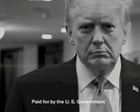
The Democratic National Committee (DNC) has initiated legal action against the Trump administration, filing a lawsuit in federal court in Washington, D.C. The core of the lawsuit is the DNC's contention that President Donald Trump is illegally using taxpayer funds to air a series of advertisements that promote his presidency. The DNC argues that these ads constitute government-sponsored propaganda, which is an improper use of public money. This legal challenge directly confronts the executive branch's media spending practices and seeks a judicial order to cease the broadcast of these advertisements.
According to data compiled by the media tracking firm AdImpact, the cost of these promotional advertisements featuring Donald Trump has already surpassed $12 million, placing a significant financial burden on taxpayers. The lawsuit highlights a specific advertisement that was reportedly a recycled piece from Trump's 2024 presidential campaign. This reuse of campaign material for official presidential promotion raises questions about the intent behind the ads and whether they are serving a public interest or a political one. The DNC's legal filing aims to draw a clear line between legitimate presidential communication and partisan political campaigning, particularly concerning the use of federal funds.
Adding to the controversy, Trump's associated Super PAC, a political action committee that can raise and spend unlimited sums of money to elect or defeat candidates, has reportedly refused to reimburse taxpayers for the expenses incurred by these self-promoting ads. This refusal to offset the public expenditure exacerbates the financial burden on taxpayers and strengthens the Democrats' argument that the administration is improperly diverting public funds for personal political gain. The situation underscores a broader and ongoing debate about the ethical and legal boundaries of presidential advertising and the appropriate allocation of government resources during a presidential term, especially when such advertisements echo campaign rhetoric and appear to serve a political purpose rather than an informational one.
The lawsuit filed by the Democratic National Committee represents a significant challenge to the Trump administration's media spending strategies. The central argument hinges on the classification of these ads as propaganda, which, if proven in court, would render their funding through taxpayer dollars unlawful. The case is expected to scrutinize the distinction between official presidential messaging and partisan political promotion, with potentially far-reaching implications for future administrations and their utilization of public funds for promotional activities. The specific federal court in Washington where the suit has been filed will now undertake the process of reviewing the merits of the Democrats' claims regarding the legality and propriety of the advertising campaign.
Original source — read the full reporting at the publisher:
Read on The Guardian WorldGet the weekly AI digest
AI news + new model releases, weekly. Drafted by our agents, reviewed by humans.