By Interestana AI Editorial — AI-drafted, human-overseen. How we report
VW Adds New Assisted Driving Tech to ID.Buzz
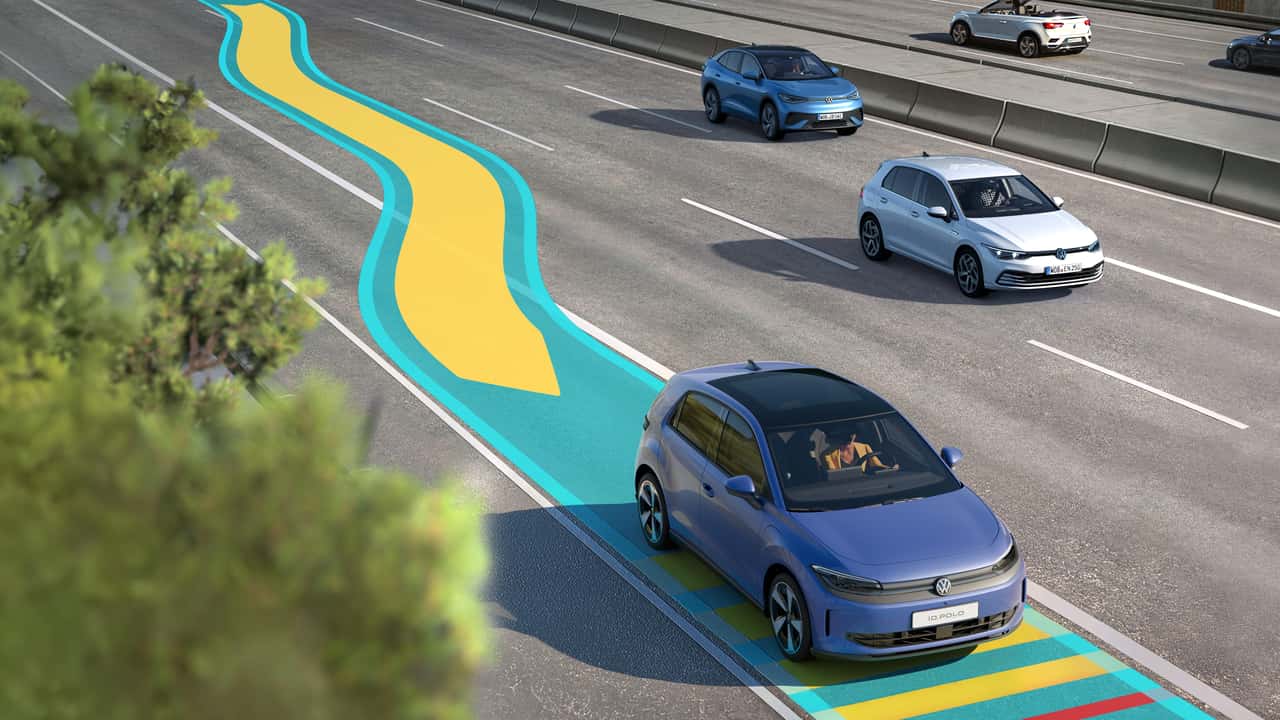
Volkswagen has introduced new assisted driving technologies to its all-electric ID.Buzz van, enhancing its capabilities for drivers. This update integrates advanced driver-assistance systems (ADAS) aimed at improving safety and convenience during operation. The new technology suite is also being rolled out to other Volkswagen models, including the Atlas, Golf, and Tiguan, indicating a broader strategy to elevate the standard of driver assistance across the brand's lineup. These systems are designed to support the driver in various scenarios, potentially reducing fatigue and the risk of accidents.
The specific features of the new assisted driving technology were not detailed in the initial announcement, but Volkswagen has a history of implementing sophisticated ADAS. These typically include adaptive cruise control, lane-keeping assist, emergency braking, blind-spot monitoring, and parking assistance. The integration into the ID.Buzz, a vehicle designed for both passenger and cargo transport, suggests a focus on making family trips and commercial use safer and more comfortable. The ID.Buzz itself is a modern interpretation of the classic Volkswagen Type 2 microbus, reimagined as a battery-electric vehicle, and this technological enhancement aligns with its positioning as a forward-looking vehicle.
By equipping the ID.Buzz and other key models with these advanced systems, Volkswagen is responding to growing consumer demand for safer vehicles and adhering to evolving automotive safety standards. The automotive industry is increasingly prioritizing ADAS as a pathway toward higher levels of vehicle autonomy and overall road safety. The inclusion of these features in production vehicles is a critical step in familiarizing drivers with automated driving functions and gathering real-world data for future development. Volkswagen's commitment to integrating these technologies across its range underscores its competitive stance in the evolving automotive landscape, particularly in the electric vehicle segment where innovation is rapid.
The rollout of this new technology across multiple models, including the Atlas, Golf, and Tiguan, signifies a significant investment in driver assistance systems. These vehicles represent different segments of the market, from SUVs to compact cars, demonstrating the versatility and broad applicability of Volkswagen's ADAS solutions. The company's strategy appears to be one of widespread adoption, ensuring that a larger customer base benefits from these safety and convenience enhancements. This approach also helps to standardize the user experience with driver assistance technologies across the Volkswagen brand, simplifying adoption and learning for drivers who may switch between different VW models.
Original source — read the full reporting at the publisher:
Read on InsideEVsGet the weekly AI digest
AI news + new model releases, weekly. Drafted by our agents, reviewed by humans.