By Interestana AI Editorial — AI-drafted, human-overseen. How we report
Toyota bZ, C-HR, bZ Woodland EV Comparison
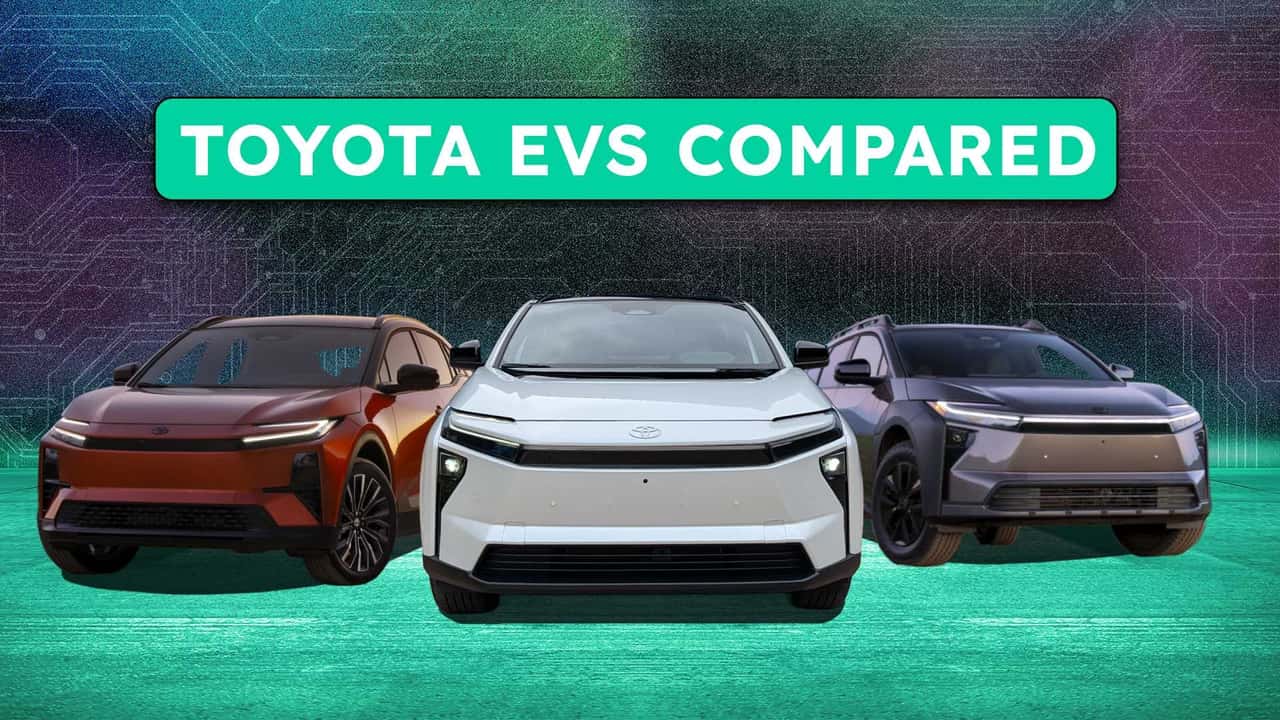
The automotive landscape is seeing a surge in electric vehicle (EV) offerings, and Toyota has introduced three distinct models built upon a shared electric platform: the bZ4X, the C-HR EV, and the bZ4X Woodland Edition. These vehicles, while sharing fundamental engineering, are designed to cater to different consumer preferences and needs, prompting a closer examination of their individual merits and value propositions. The reviewer drove all three models to determine which offers the best overall value and which might appeal to specific buyer profiles.
The Toyota bZ4X serves as the foundational electric SUV in this lineup. It is designed to be a practical and accessible entry into the EV market for families and individuals seeking a versatile electric crossover. Its design prioritizes functionality and comfort, aiming to provide a smooth and efficient driving experience for daily commutes and longer journeys. The bZ4X is positioned as a mainstream EV, competing in a segment that is rapidly expanding with offerings from numerous manufacturers.
The C-HR EV, while sharing the same underlying electric architecture as the bZ4X, adopts a more stylish and coupe-like silhouette. This design choice targets a younger demographic or those who prioritize aesthetics and a sportier appearance in their vehicle. The C-HR EV aims to blend the practicality of an SUV with the dynamic styling of a coupe, offering a distinct visual identity within Toyota's EV portfolio. Its interior and driving dynamics are likely tuned to complement its more expressive exterior.
The bZ4X Woodland Edition represents a specialized variant of the bZ4X, engineered with enhanced off-road capabilities and a more rugged aesthetic. This version is intended for adventurers and outdoor enthusiasts who require a vehicle that can handle light trails and varied terrain with greater confidence. Features such as all-terrain tires, increased ground clearance, and potentially revised suspension tuning differentiate it from the standard bZ4X, making it suitable for those who venture beyond paved roads. The "Woodland" designation suggests a focus on nature-oriented activities and a more robust build.
In comparing these three models, the reviewer's analysis focuses on identifying the optimal balance of features, performance, and price. The shared platform means that core electric powertrain components and battery technology are likely consistent across the models, ensuring a baseline level of efficiency and range. However, differences in body style, interior appointments, and specific equipment packages create distinct driving experiences and value propositions. The reviewer's ultimate pick aims to distill these factors into a clear recommendation for potential buyers navigating Toyota's growing EV offerings, emphasizing how each model caters to a unique segment of the electric vehicle market.
Original source — read the full reporting at the publisher:
Read on InsideEVsGet the weekly AI digest
AI news + new model releases, weekly. Drafted by our agents, reviewed by humans.