By Interestana AI Editorial — AI-drafted, human-overseen. How we report
Companies Use $100 Billion Tariff Refunds for Worker Bonuses
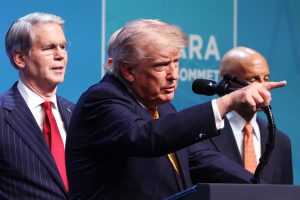
Following the Supreme Court's decision to strike down President Donald Trump's International Emergency Economic Powers Act (IEEPA) tariffs, American importers are set to receive approximately $100 billion in refunds from the U.S. Treasury. U.S. Trade Representative Jamieson Greer suggested in March that companies receiving these "windfall" funds should prioritize distributing them to their workers as bonuses. Reports indicate that some businesses have followed this advice, allocating portions of their tariff refunds towards employee compensation and retirement accounts. Since May, as these refunds have been disbursed, many companies have announced plans to either lower prices for consumers or reduce their outstanding debts. However, a notable segment of businesses is choosing to pass these funds directly to their employees.
Williams Sonoma, a houseware brand, disclosed in its second-quarter earnings report that it would dedicate $10 million to one-time payments into the 401(k) accounts of eligible employees. This initiative is framed as a recognition of their efforts in navigating the complexities of the IEEPA tariffs. Laura Alber, President and CEO of Williams Sonoma, expressed gratitude for the refunded money and the opportunity to reward employees, stating on an earnings call, "They have done such an amazing job." This move highlights a direct benefit to the workforce stemming from the tariff refund process.
Another significant recipient of these refunds is TJX, a retail company, which has received a total of $331 million in tariff refunds. TJX plans to utilize a portion of these aggregated refunds to provide additional compensation to its employees. A spokesperson for TJX informed Fortune that "due to these tariff refunds, the company accrued incremental expenses of $112 million for year-end incentive compensation and discretionary bonuses for eligible associates globally." This statement confirms a substantial financial commitment towards employee bonuses directly linked to the tariff refund.
American businesses and consumers have closely monitored the tariff refund process, especially in light of Federal Reserve research indicating that American companies and consumers bore the majority of the tariff costs. While major corporations like Walmart and FedEx have pledged to offset tariff-related inflation by offering lower prices or direct rebates to consumers, the decision by some companies to channel these refunds into employee benefits represents an unconventional but impactful distribution of the recovered funds. This approach directly benefits the workforce, acknowledging their role in managing the economic impact of the tariffs and potentially boosting employee morale and financial security.
Original source — read the full reporting at the publisher:
Read on FortuneGet the weekly AI digest
AI news + new model releases, weekly. Drafted by our agents, reviewed by humans.