By Interestana AI Editorial — AI-drafted, human-overseen. How we report
Crypto Clarity Act Stalls Amidst Last-Minute Disputes
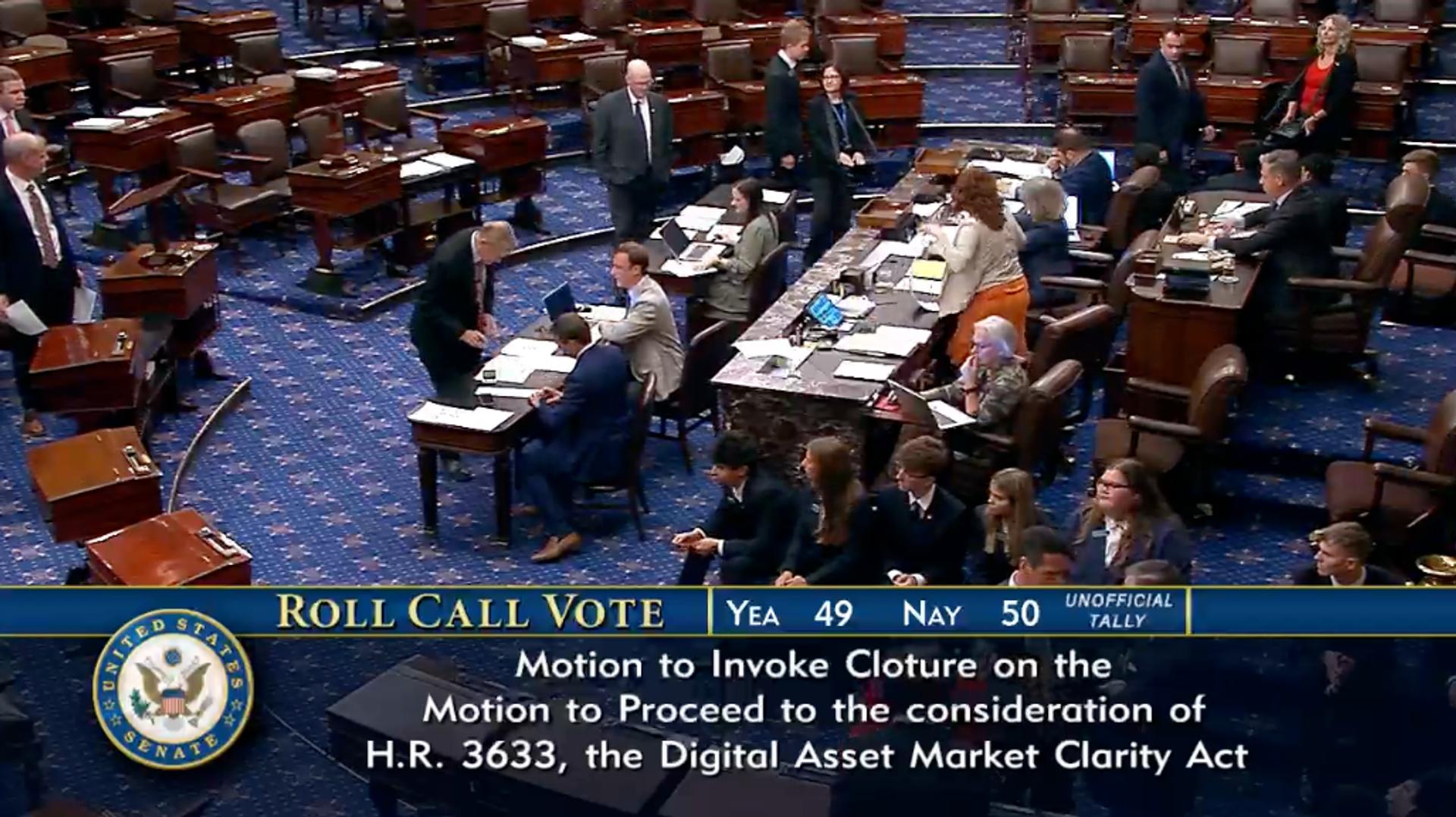
The cryptocurrency industry's significant legislative push, known as the Clarity Act, failed to pass at the last minute due to behind-the-scenes disputes among stakeholders. This market structure legislation was widely considered the industry's greatest hope for establishing clearer regulatory frameworks. The failure represents a dismal showing for an industry that had invested considerable effort and anticipation into its passage. The specific nature of the disputes remains undisclosed, but their timing suggests a breakdown in consensus during critical final negotiations. This legislative setback is likely to prolong the existing uncertainty surrounding cryptocurrency regulation in the United States, impacting both established companies and emerging projects.
The Clarity Act aimed to provide a comprehensive framework for the regulation of digital assets, addressing issues such as market oversight, investor protection, and the classification of various cryptocurrencies. Proponents argued that a clear regulatory path would foster innovation, attract institutional investment, and enhance the legitimacy of the crypto market. The bill's failure means that the industry will continue to navigate a complex and often ambiguous regulatory landscape, potentially leading to continued legal challenges and compliance burdens. The lack of a unified federal approach could also lead to a patchwork of state-level regulations, further complicating operations for businesses.
Industry leaders had expressed optimism in the weeks leading up to the legislative deadline, highlighting the bipartisan support the bill had garnered in certain committees. However, the eleventh-hour disagreements underscore the deep divisions that still exist regarding the best approach to regulating digital assets. These divisions likely stem from differing views on the role of existing financial regulators, such as the Securities and Exchange Commission (SEC) and the Commodity Futures Trading Commission (CFTC), in overseeing the crypto market. The outcome also raises questions about the effectiveness of industry lobbying efforts and the ability of diverse stakeholders to coalesce around a common legislative agenda.
Without the Clarity Act, the cryptocurrency sector faces an uncertain future regarding its legal and operational standing. This legislative failure could deter potential investors who are seeking greater regulatory certainty before committing significant capital. Furthermore, it may embolden regulators to pursue enforcement actions based on existing, albeit less clear, securities laws. The industry will now need to regroup and determine its next steps, which may involve further dialogue with lawmakers, a renewed focus on specific aspects of regulation, or a continued reliance on self-regulatory measures. The path forward for crypto regulation in the United States remains a significant challenge.
Original source — read the full reporting at the publisher:
Read on CoinDeskGet the weekly AI digest
AI news + new model releases, weekly. Drafted by our agents, reviewed by humans.