By Interestana AI Editorial — AI-drafted, human-overseen. How we report
Trump Weighs Striking Iran Before Midterms
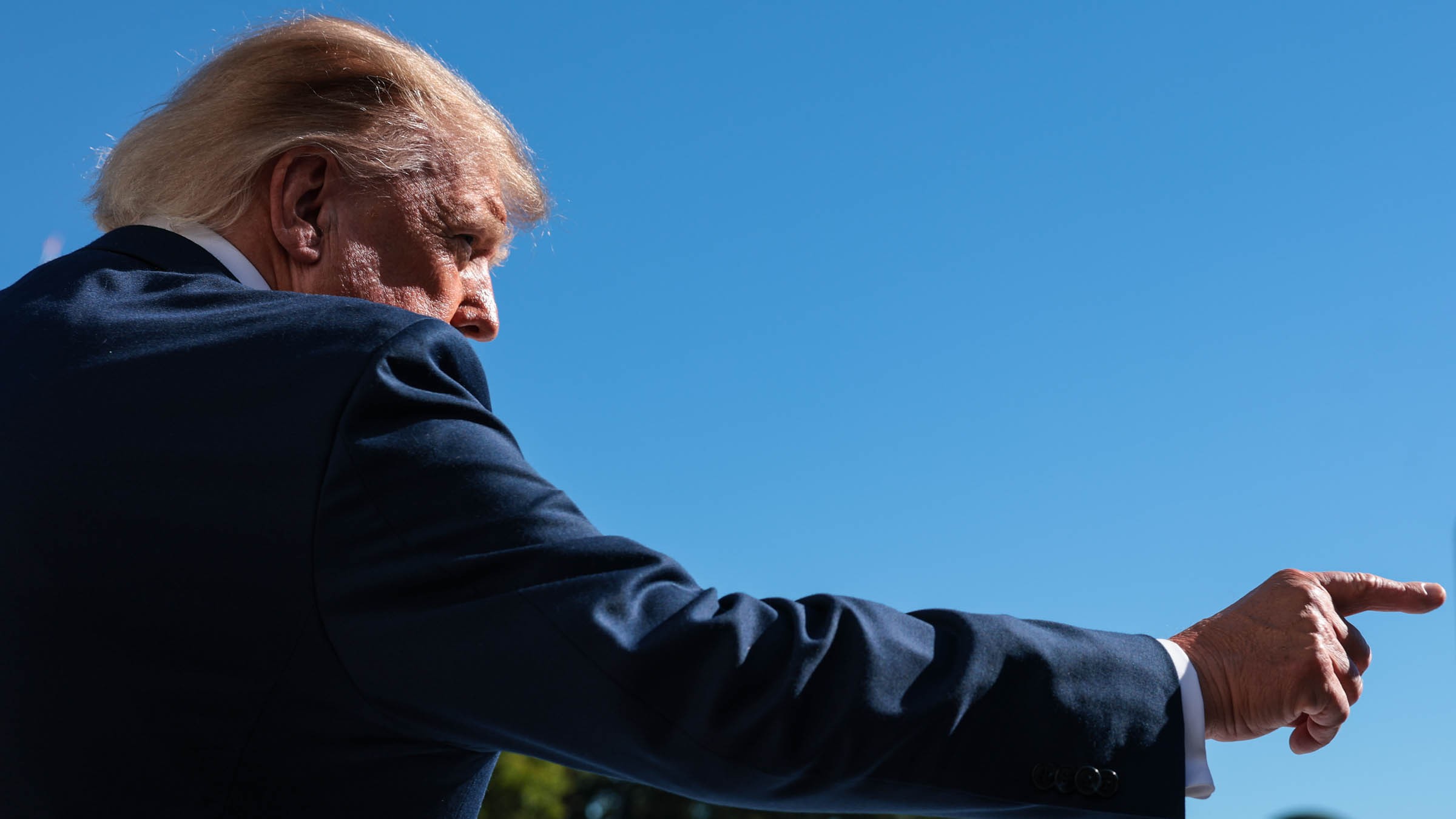
Pentagon planners are reportedly considering various military options against Iran, with President Donald Trump weighing a potential strike before the November midterm elections. This consideration comes amid heightened tensions between the United States and Iran, particularly concerning Iran's nuclear program and its regional influence. While no final decision has been made, the contemplation of such a significant military action underscores the volatile geopolitical landscape and the administration's assertive foreign policy stance.
The potential strike is being discussed as a pre-emptive measure, aimed at disrupting Iran's capabilities or deterring further aggressive actions. The specific targets and scope of any potential operation remain unclear, but the discussions involve a range of military responses. The Pentagon has been tasked with developing and evaluating these options, presenting them to the President for consideration. The timing of these deliberations, leading up to the crucial midterm elections, suggests a potential political dimension to the foreign policy considerations, though officials have not explicitly linked the two.
This development follows a period of increased friction between the U.S. and Iran, including sanctions and diplomatic disputes. The Trump administration has adopted a policy of "maximum pressure" against Iran since withdrawing from the 2015 Joint Comprehensive Plan of Action (JCPOA) nuclear deal. This approach has aimed to cripple Iran's economy and force concessions on its nuclear and ballistic missile programs, as well as its support for regional proxies. However, critics argue that this strategy has also increased the risk of direct conflict and has not yielded the desired diplomatic breakthroughs.
The consideration of military action against Iran is a significant escalation in rhetoric and planning. Such a move would carry substantial risks, including potential retaliation from Iran and its allies, broader regional instability, and a significant human cost. International reactions are also a key factor, with allies likely to express concern over unilateral military action. The ultimate decision rests with President Trump, who has demonstrated a willingness to take unconventional and decisive actions in foreign policy. The coming weeks will likely reveal more about the administration's intentions and the trajectory of U.S.-Iran relations.
Original source — read the full reporting at the publisher:
Read on The AtlanticGet the weekly AI digest
AI news + new model releases, weekly. Drafted by our agents, reviewed by humans.