By Interestana AI Editorial — AI-drafted, human-overseen. How we report
Coincidence Reveals Cognitive Biases and Mind Patterns
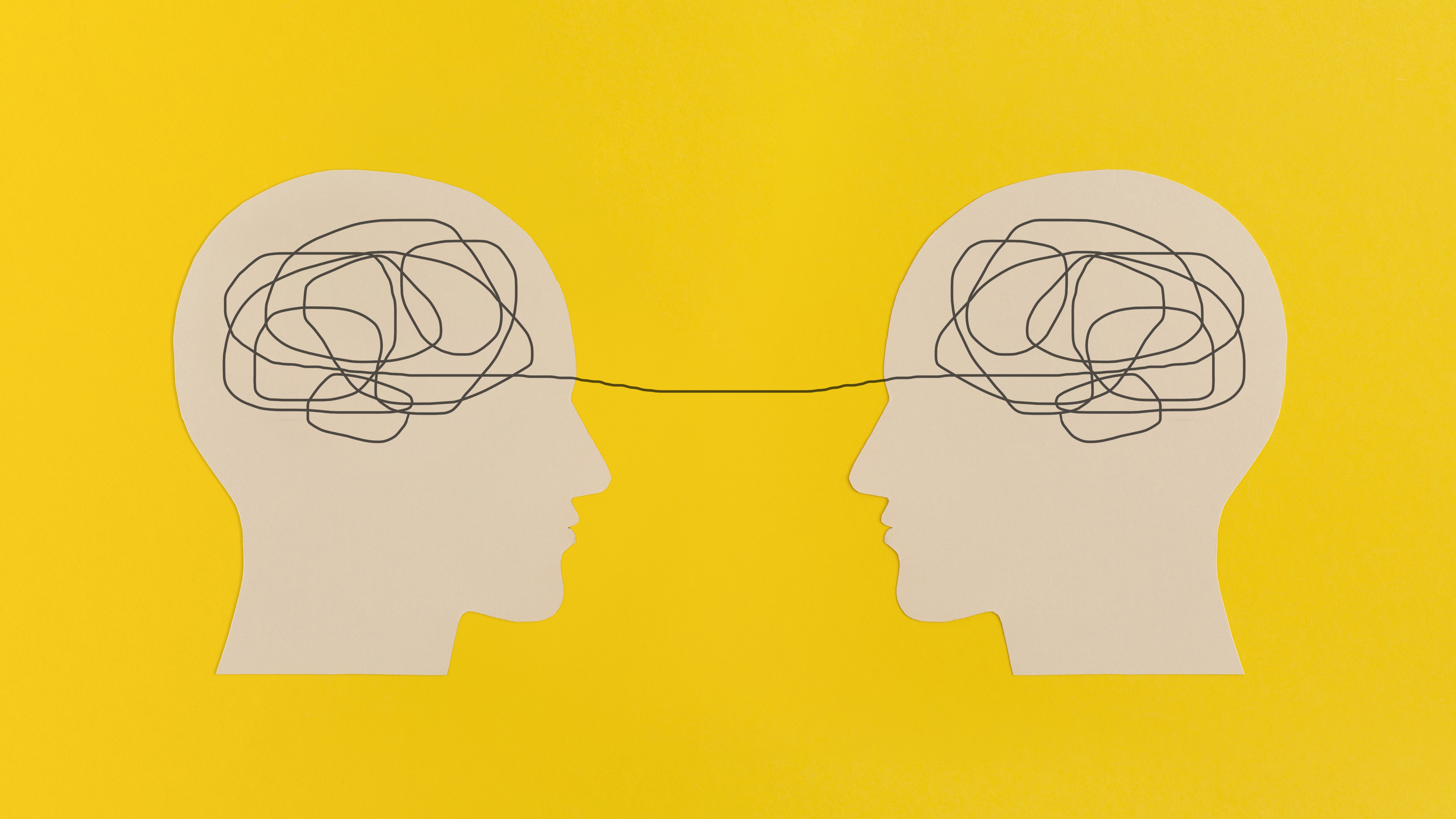
The human mind exhibits a peculiar fascination with coincidence, often attributing significance to events that are statistically improbable. This tendency is not merely a matter of chance but is deeply rooted in cognitive processes and biases that shape our perception of reality. When seemingly unrelated events align in a way that feels meaningful, our brains are wired to seek patterns and causal links, even where none may exist.
One primary driver behind our interpretation of coincidence is the confirmation bias, where we tend to notice and remember instances that support our pre-existing beliefs or expectations, while overlooking contradictory evidence. For example, if someone is thinking about an old friend, and then that friend calls, the coincidence is readily apparent. However, the countless times the person thought about the friend and they *didn't* call are easily forgotten. This selective attention amplifies the perceived significance of the coincidental event. Furthermore, the availability heuristic plays a role; vivid and emotionally charged coincidences are more easily recalled and thus seem more frequent than they statistically are.
The concept of synchronicity, as coined by psychologist Carl Jung, describes meaningful coincidences that appear to be related but lack a direct causal connection. Jung believed these events could offer insights into the unconscious mind and the interconnectedness of the universe. While Jung's theories are not empirically verifiable in a scientific sense, they highlight the profound psychological impact these events can have, often leading individuals to feel a sense of destiny or a deeper meaning in their lives. The subjective experience of a coincidence can be powerful, influencing decisions, relationships, and one's overall worldview.
Our brains are pattern-seeking machines, a trait that has been evolutionarily advantageous for survival. However, this propensity can lead us to over-interpret random occurrences. The law of large numbers dictates that in a sufficiently large sample of events, even highly improbable outcomes are likely to occur. For instance, in a city of millions, it is statistically probable that two people with the same rare birthday will meet. Our minds, however, often focus on the improbability of the specific pairing rather than the statistical certainty within a large population. This cognitive shortcut, while efficient, can lead to a distorted understanding of probability and randomness.
Understanding the psychology of coincidence involves recognizing the interplay between our innate cognitive biases, our desire for meaning, and the statistical nature of random events. By acknowledging these factors, individuals can develop a more nuanced appreciation for the role of chance in their lives, distinguishing between genuine patterns and the mind's tendency to create them. This self-awareness can lead to more rational decision-making and a less superstitious interpretation of everyday occurrences, ultimately fostering a clearer understanding of how our minds work.
Original source — read the full reporting at the publisher:
Read on The AtlanticGet the weekly AI digest
AI news + new model releases, weekly. Drafted by our agents, reviewed by humans.