By Interestana AI Editorial — AI-drafted, human-overseen. How we report
Tesla and Sunrun's Virtual Power Plant Sets New Record, Dispatching 580 MW to California Grid During Heat Wave
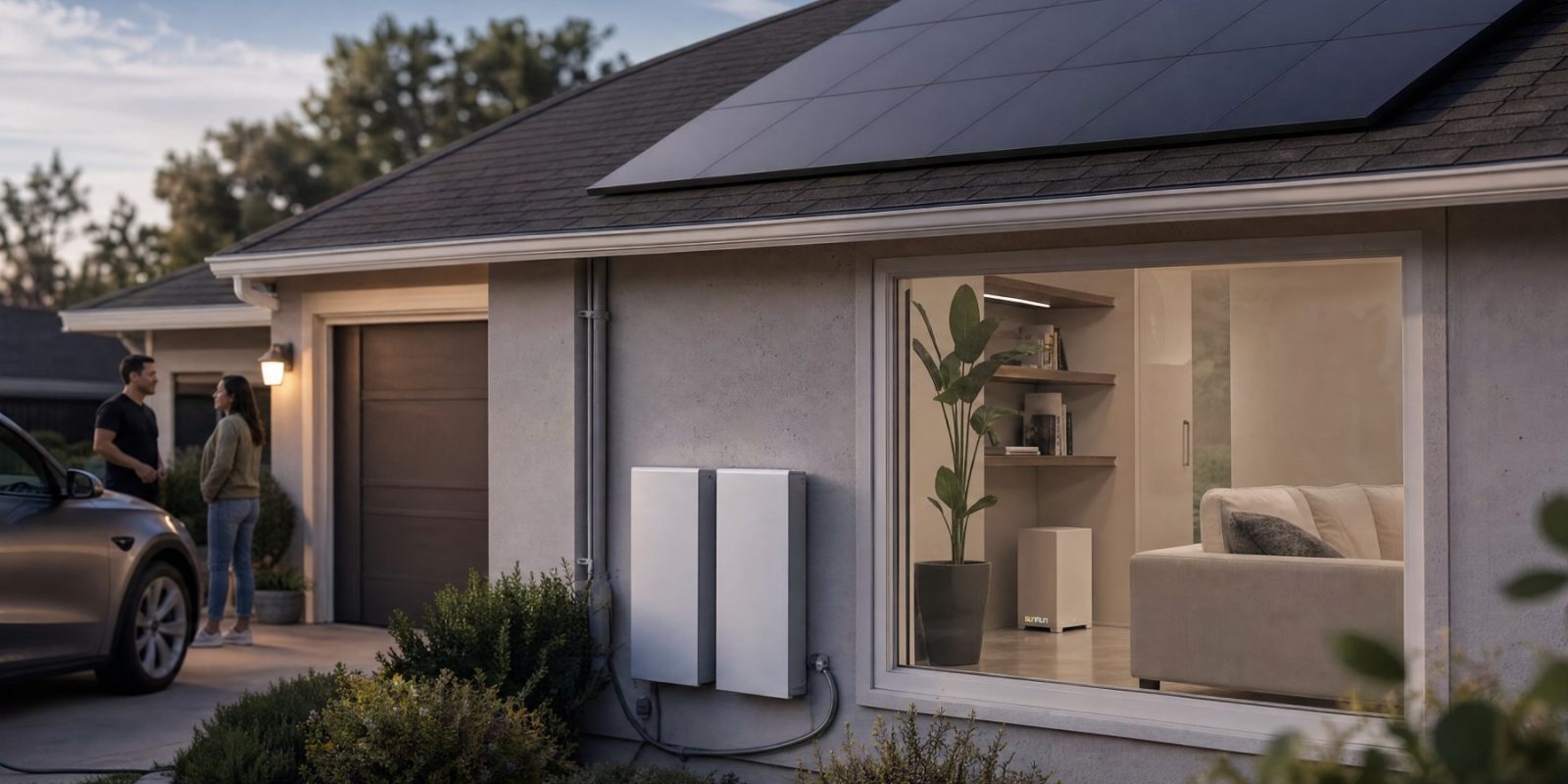
On September 9, during a severe heat wave that strained California's electrical grid, a collaborative effort between Sunrun and Tesla achieved a monumental feat: dispatching a record-breaking 580 megawatts (MW) of power from residential home batteries onto the state's grid. This event, occurring during the evening peak demand period when air conditioning usage surges, represents the largest residential distributed power plant event ever recorded. The aggregated power was drawn from an impressive network of over 140,000 home battery systems installed across California.
This significant dispatch was facilitated through a virtual power plant (VPP) model. A VPP aggregates numerous distributed energy resources, such as home batteries, and coordinates their operation to function as a single, large-scale power source. This allows for the flexible and rapid deployment of stored energy when it is most needed. The 580 MW capacity is substantial, comparable to the output of a medium-sized conventional power plant, underscoring the significant contribution that decentralized residential energy storage can make to grid stability and reliability.
Sunrun, a prominent leader in the residential solar installation market, and Tesla, renowned for its Powerwall home battery systems, have been at the forefront of developing and deploying these distributed energy solutions. Their partnership in this record-breaking dispatch highlights the growing maturity and practical application of VPP technology. This event occurred as California grappled with intense heat, pushing electricity demand to critical levels. Grid operators, including the California Independent System Operator (CAISO), frequently rely on a diverse portfolio of resources to prevent blackouts and maintain grid integrity. These resources often include demand response programs, utility-scale battery storage, and increasingly, aggregated residential energy storage.
The success of this large-scale dispatch from individual homes provides a powerful proof of concept for the vital role residential energy storage can play in modern grid management. It demonstrates the potential for a more resilient, decentralized, and sustainable energy system. The ability to harness such a substantial amount of power from thousands of homes signifies a significant step forward in integrating distributed energy resources into the broader energy infrastructure, offering a valuable tool for grid operators facing increasing challenges from extreme weather events and the transition to renewable energy sources.
Original source — read the full reporting at the publisher:
Read on ElectrekGet the weekly AI digest
AI news + new model releases, weekly. Drafted by our agents, reviewed by humans.