By Interestana AI Editorial — AI-drafted, human-overseen. How we report
Indonesia's Devastating Fire Haze: El Niño Fuels Toxic Air Across Millions
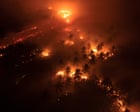
For months, the Indonesian islands of Borneo and Sumatra have been engulfed in widespread fires, releasing toxic air that affects millions across Indonesia and its neighboring countries. These fires are frequently and illegally set as a cost-effective method for clearing land, particularly for the expansion of oil palm plantations. Indonesia holds the distinction of being the world's largest producer of palm oil, a versatile commodity used in a vast array of consumer products, from food to cosmetics. The practice of clearing land using fire, commonly referred to as 'slash and burn,' has been intensified this year by the significant effects of a super El Niño phenomenon. This powerful climate pattern has led to unusually dry conditions across the region, creating an environment highly conducive to the rapid spread and persistence of fires.
The resulting haze is a dangerous cocktail of harmful particulate matter, including fine particles (PM2.5) and toxic gases such as carbon monoxide and nitrogen oxides. These pollutants pose severe health risks to the affected populations, leading to a surge in respiratory and cardiovascular ailments. Individuals are experiencing immediate and debilitating symptoms, with the physical toll described as 'visceral.' The health impacts range from exacerbation of existing conditions like asthma and bronchitis to the development of new problems, including heart disease and lung damage. The sheer scale of the problem is immense, impacting densely populated urban and rural areas and creating a public health crisis that transcends national borders, affecting populations in Malaysia, Singapore, and Brunei.
The illegal nature of many of these fires underscores a persistent and complex challenge in Indonesia's land management and agricultural governance. While the Indonesian government has, over the years, implemented various measures and regulations aimed at combating forest fires and curbing illegal land clearing, the economic incentives for employing the 'slash and burn' technique remain compelling, especially for large-scale plantation operations seeking to minimize costs. The environmental consequences extend far beyond the immediate air pollution crisis. These fires contribute significantly to deforestation, leading to the destruction of vital habitats and a substantial loss of biodiversity. Furthermore, the burning of forests and peatlands releases vast quantities of greenhouse gases, primarily carbon dioxide, into the atmosphere, thereby exacerbating the global challenge of climate change.
The super El Niño event, characterized by unusually warm surface temperatures in the central and eastern Pacific Ocean, has acted as a significant amplifier, intensifying the severity and prolonging the duration of the fire season. This natural climate variability disrupts global weather patterns, leading to prolonged and severe droughts in regions like Indonesia, which are already susceptible to fire. The devastating environmental and humanitarian situation is a direct consequence of the confluence of human-induced land clearing practices and natural climate variability, highlighting the urgent and critical need for the adoption of more sustainable land management practices, robust fire prevention strategies, and effective fire suppression capabilities.
Original source — read the full reporting at the publisher:
Read on The Guardian EnvironmentGet the weekly AI digest
AI news + new model releases, weekly. Drafted by our agents, reviewed by humans.