By Interestana AI Editorial — AI-drafted, human-overseen. How we report
Farmer's Record Partridge Sighting Hails Success of Nature-Friendly Farming
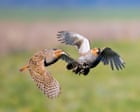
Colin Chappell, a farmer operating in Brigg, Lincolnshire, has reported an extraordinary observation in his oilseed rape fields: a covey of 26 grey partridges. This figure is notably significant, as a covey of 12 is typically considered large, and Chappell states he has never witnessed such a substantial number of grey partridges on his farm during his lifetime. Red-legged partridges, a different species, are usually only seen in pairs. This remarkable increase in the grey partridge population is directly attributed by Chappell to the farm's long-standing commitment to nature-friendly farming practices, a strategy he has been meticulously developing over several years.
A cornerstone of this successful approach involves the strategic planting of specific field margins. This year, these margins were intentionally cultivated to foster the proliferation of a diverse insect population, including sawfly larvae, crickets, weevils, and ground beetles. Chappell emphasizes the critical role these insects play, as they constitute the entire diet for young grey partridges and yellowhammers during their vulnerable first two weeks of life. By ensuring a consistent and abundant food source for the chicks, these targeted plantings directly contribute to higher survival rates and, consequently, population growth for these ground-nesting birds.
Beyond the provision of insect prey for chicks, Chappell has also enhanced his existing practices concerning overwinter cover crops and "catch" crops. These crops are traditionally employed to absorb surplus nutrients from the soil and to protect it from the adverse effects of weather, such as erosion. To further support the bird population, Chappell now incorporates millet into these plantings. The seeds of millet serve as a vital and energy-rich food supplement for older, adult partridge birds, particularly during the challenging winter months. This integrated strategy aims to cultivate a varied and interconnected mosaic of habitats across the farm's landscape, designed to provide essential resources and shelter for the partridges throughout their different life stages and across the changing seasons.
The sighting of such a large covey of grey partridges serves as a powerful and tangible testament to the efficacy of Chappell's sustainable farming methods. By consciously prioritizing biodiversity and actively creating an environment conducive to wildlife, the farm is not only focused on the production of its cash crops but is also making a significant positive contribution to the local ecosystem. This success story powerfully underscores the potential for modern agricultural practices to harmoniously coexist with, and actively promote, wildlife conservation, demonstrating that a nature-friendly approach can yield substantial and measurable ecological benefits.
Original source — read the full reporting at the publisher:
Read on The Guardian EnvironmentGet the weekly AI digest
AI news + new model releases, weekly. Drafted by our agents, reviewed by humans.