By Interestana AI Editorial — AI-drafted, human-overseen. How we report
Tasmanian Salmon Farms Used Over 150,000 Underwater Explosives
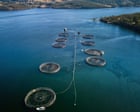
Tasmanian salmon farming companies have utilized over 150,000 underwater explosives to deter seals from their marine operations since 2016, as revealed by newly released government data. The Department of Natural Resources and Environment (NRE Tas) data, published last week, indicates that nearly 1,800 of these underwater explosives were deployed specifically at seals present at fish farms during the first six months of 2026. This practice highlights a significant and ongoing effort by the aquaculture industry to manage wildlife interactions, particularly with seals which are known to prey on farmed salmon.
The extensive use of explosives points to the persistent challenges faced by salmon farmers in protecting their stock. While the exact type and specifications of the explosives are not detailed in the provided data, their deployment is a direct response to seal predation. The figures suggest a consistent reliance on this method over the years, with the total number surpassing 150,000 since the tracking began in 2016. The data release from NRE Tas provides a snapshot of wildlife interactions reported by the salmonid aquaculture industry, covering the period from January to June 2026.
This practice raises questions about the environmental impact and the welfare of marine life in Tasmania's waters. Underwater explosives, even when used for deterrence, can have unintended consequences on the broader marine ecosystem, potentially affecting fish populations, marine mammals, and the seabed. The scale of deployment, averaging over 20,000 explosives per year since 2016, underscores the intensity of the seal deterrence efforts. The data from NRE Tas is a key source for understanding the operational methods employed by the salmon aquaculture sector in managing interactions with native wildlife.
The information was made public through a report detailing wildlife interactions reported by the salmonid aquaculture industry for the period of January to June 2026. This report is part of the ongoing monitoring and regulatory oversight of aquaculture operations in Tasmania. The significant number of explosives used underscores the economic pressures on the industry to prevent stock losses due to predation, while also drawing attention to the need for sustainable and humane wildlife management practices in marine environments. The figures are derived from official government data, providing a verifiable account of the scale of this practice.
Original source — read the full reporting at the publisher:
Read on The Guardian WorldGet the weekly AI digest
AI news + new model releases, weekly. Drafted by our agents, reviewed by humans.