By Interestana AI Editorial — AI-drafted, human-overseen. How we report
Electrek Survey Reveals Reader Sentiments on Autonomous Vehicle Accident Accountability
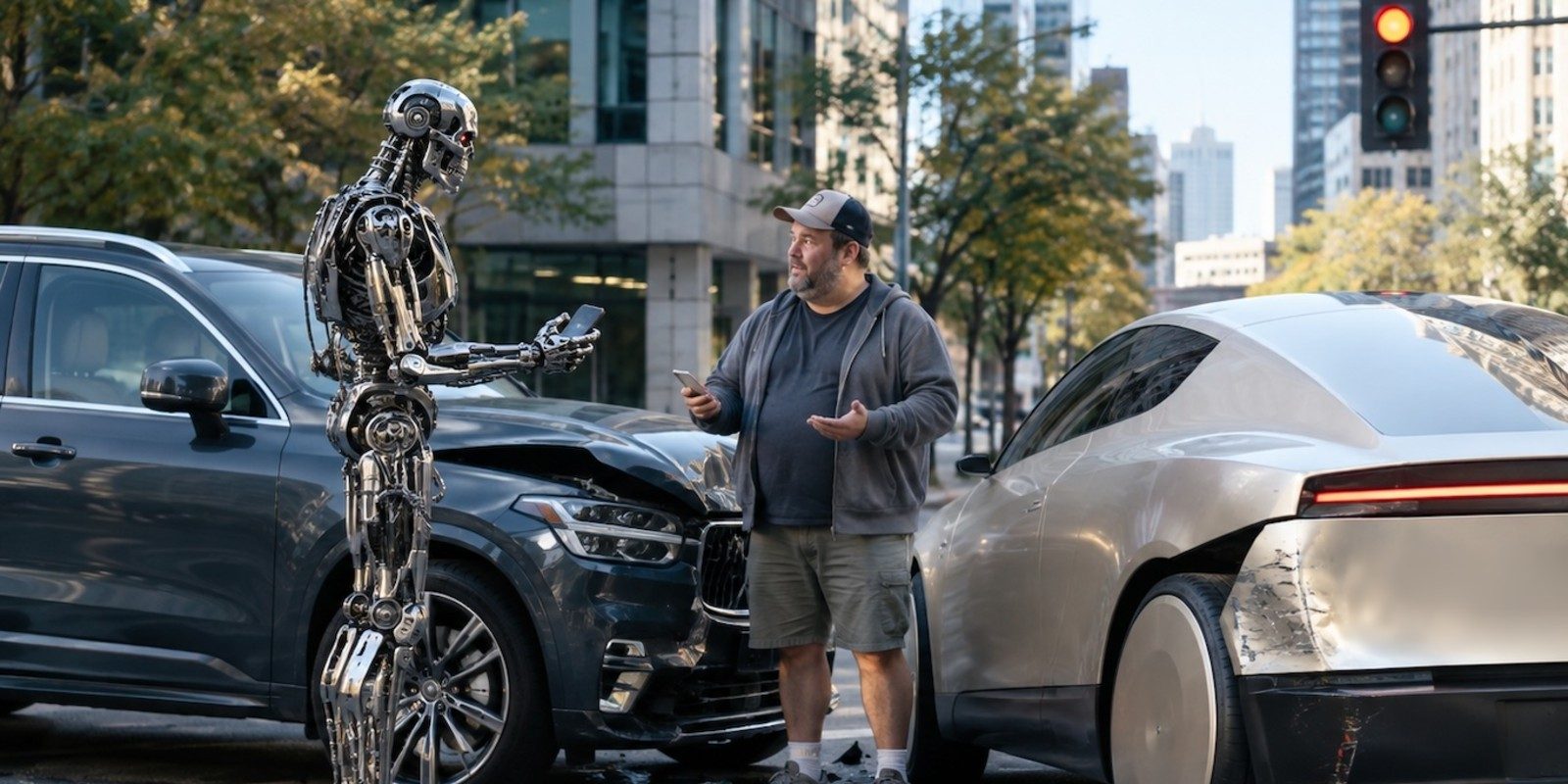
Electrek, a publication focused on electric vehicles and sustainable transportation, recently conducted a reader survey to gauge opinions on a critical and evolving issue: accountability in the event of autonomous vehicle (AV) accidents that result in harm. Over several weeks, the survey attracted nearly 3,000 responses from its readership, indicating significant engagement with the topic. The core question posed to participants was who should bear responsibility when artificial intelligence (AI) systems, specifically those governing self-driving cars, fail and lead to injuries or other negative outcomes.
The findings of this extensive reader poll suggest a complex and multifaceted view on assigning blame, moving away from a simplistic allocation to a single party. While the precise distribution of blame across various entities is detailed within the full survey results, the overarching sentiment points towards a shared responsibility. This implies that Electrek's readers are not solely directing their criticism towards the developers of the AI software or the manufacturers of the vehicles themselves. Instead, their perspectives appear to encompass a broader spectrum of potential contributing factors and stakeholders.
This nuanced understanding of accountability has profound implications for the burgeoning autonomous vehicle industry. The development and widespread adoption of self-driving technology, championed by companies like Waymo (a subsidiary of Alphabet Inc.), Cruise (majority-owned by General Motors), and Tesla, are heavily reliant on public trust and a clear legal and ethical framework. If the public perceives that responsibility is clearly defined and equitably distributed in the event of an AV accident, it can foster greater confidence in the safety and reliability of these advanced systems. Conversely, ambiguity surrounding liability or a perceived lack of accountability could significantly hinder public acceptance, potentially leading to increased regulatory scrutiny and slower market penetration.
Understanding where blame is assigned is therefore not merely an academic exercise but a crucial determinant for the future trajectory of AV technology. The nearly 3,000 participants in the Electrek survey have contributed valuable insights into this ongoing societal debate. Their collective opinions offer a snapshot of reader sentiment on the ethical considerations and practical challenges associated with AI-driven vehicles, providing a vital perspective as the industry navigates the complex landscape of autonomous driving and its inherent risks.
Original source — read the full reporting at the publisher:
Read on ElectrekGet the weekly AI digest
AI news + new model releases, weekly. Drafted by our agents, reviewed by humans.