By Interestana AI Editorial — AI-drafted, human-overseen. How we report
Berlin's Open-Source Tree Map Inspires Urban Forest Care
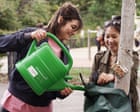
The 'Gieß den Kiez' (Water the Neighborhood) app, an open-source initiative, is actively engaging Berlin residents in the care of the city's urban forest by identifying trees in critical need of watering. This innovative platform maps individual trees, highlighting those most affected by heat stress and providing a direct avenue for citizens to contribute to their survival. Amanda Gläser-Bligh, a resident of Charlottenburg, Berlin, exemplifies this engagement by adopting and watering an eight-year-old street tree she has affectionately named "Linda the linden." She notes that while Berliners might not always be perceived as overtly friendly, the positive reactions she receives when explaining her actions demonstrate a growing appreciation for urban greening efforts.
The 'Gieß den Kiez' app functions by allowing users to locate trees on a map that require immediate attention. This crowdsourced approach to urban forestry management not only addresses the immediate need for hydration during hot weather but also fosters a sense of community ownership and responsibility towards the city's green infrastructure. By providing a clear visual representation of the trees' needs, the app empowers individuals to take direct action, transforming passive observers into active caretakers. The initiative's success in Berlin suggests a scalable model that could be adopted by other cities facing similar challenges with heat-stressed urban environments.
This project highlights the growing importance of citizen science and community-driven solutions in tackling environmental challenges. The open-source nature of the 'Gieß den Kiez' app is crucial, as it allows for adaptation and replication in diverse urban settings. The underlying principle is simple yet effective: making the needs of the urban forest visible and accessible to the public, thereby encouraging direct intervention. The positive reception from Berliners, as described by Gläser-Bligh, indicates a latent desire among residents to connect with and contribute to their local environment. The app acts as a catalyst, channeling this desire into tangible actions that benefit the entire community and the city's ecosystem.
The broader implications of 'Gieß den Kiez' extend beyond mere watering. It cultivates a deeper connection between urban dwellers and the natural elements within their cities, promoting environmental awareness and stewardship. As climate change intensifies, leading to more frequent and severe heatwaves, the role of urban trees in mitigating heat island effects, improving air quality, and enhancing biodiversity becomes increasingly vital. Initiatives like 'Gieß den Kiez' are therefore not just about saving individual trees; they are about building more resilient, sustainable, and livable cities for the future. The app's potential to inspire similar projects in other cities around the world underscores the power of accessible technology and community collaboration in addressing pressing environmental concerns.
Original source — read the full reporting at the publisher:
Read on The Guardian EnvironmentGet the weekly AI digest
AI news + new model releases, weekly. Drafted by our agents, reviewed by humans.