By Interestana AI Editorial — AI-drafted, human-overseen. How we report
Cambodia Protects Siamese Crocodile With Indigenous Community Help
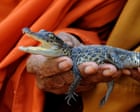
In the remote Cardamom Mountains of Cambodia, Indigenous Chorng communities are playing a pivotal role in the conservation efforts for the critically endangered Siamese crocodile (Crocodylus siamensis). By the 1990s, conservationists had serious concerns that the species had vanished entirely due to extensive fishing and hunting that decimated its populations across Southeast Asia throughout the 20th century. However, reports from Indigenous communities in villages situated within the wetland areas of the Cardamom Mountains indicated continued sightings of the reptile. This invaluable local knowledge was passed on to researchers conducting surveys in the region in 2000, leading to the official rediscovery and recording of the species. This rediscovery significantly bolstered the ongoing mission to revive the Siamese crocodile population. The wetlands of the Cardamom Mountains are now recognized as a crucial 'genetic bank' area, offering a glimmer of hope for the survival of one of the world's last remaining wild populations of this species. The Chorng people's deep understanding of their environment and its inhabitants has been instrumental in identifying and protecting key habitats. Their traditional practices and knowledge of the crocodiles' behavior and breeding grounds are essential for effective conservation strategies. The success of these efforts hinges on continued collaboration between conservation organizations, the Cambodian government, and the Indigenous communities. Without their active participation and the protection of their ancestral lands, the long-term survival of the Siamese crocodile remains precarious. The species' historical range once spanned across Southeast Asia, including countries like Thailand, Vietnam, Laos, and Borneo, but its numbers have dwindled dramatically. The Siamese crocodile is characterized by its relatively slender snout and is known to inhabit freshwater rivers, streams, and swamps. Its diet primarily consists of fish, amphibians, and small mammals. The primary threats it faced were habitat loss due to agricultural expansion and infrastructure development, as well as poaching for its skin and meat. The current conservation initiatives aim to mitigate these threats by establishing protected areas, combating illegal hunting, and working with local communities to promote sustainable practices. The ongoing monitoring of the crocodile population and its habitat is crucial for assessing the effectiveness of these conservation measures and adapting them as needed. The story of the Siamese crocodile's near-extinction and subsequent rediscovery highlights the critical importance of Indigenous knowledge in biodiversity conservation and underscores the need for a holistic approach that respects and integrates local communities into environmental protection strategies.
Original source — read the full reporting at the publisher:
Read on The Guardian EnvironmentGet the weekly AI digest
AI news + new model releases, weekly. Drafted by our agents, reviewed by humans.