By Interestana AI Editorial — AI-drafted, human-overseen. How we report
US Adds 83 GW Renewables, Storage; Fossil Fuel Capacity Declines
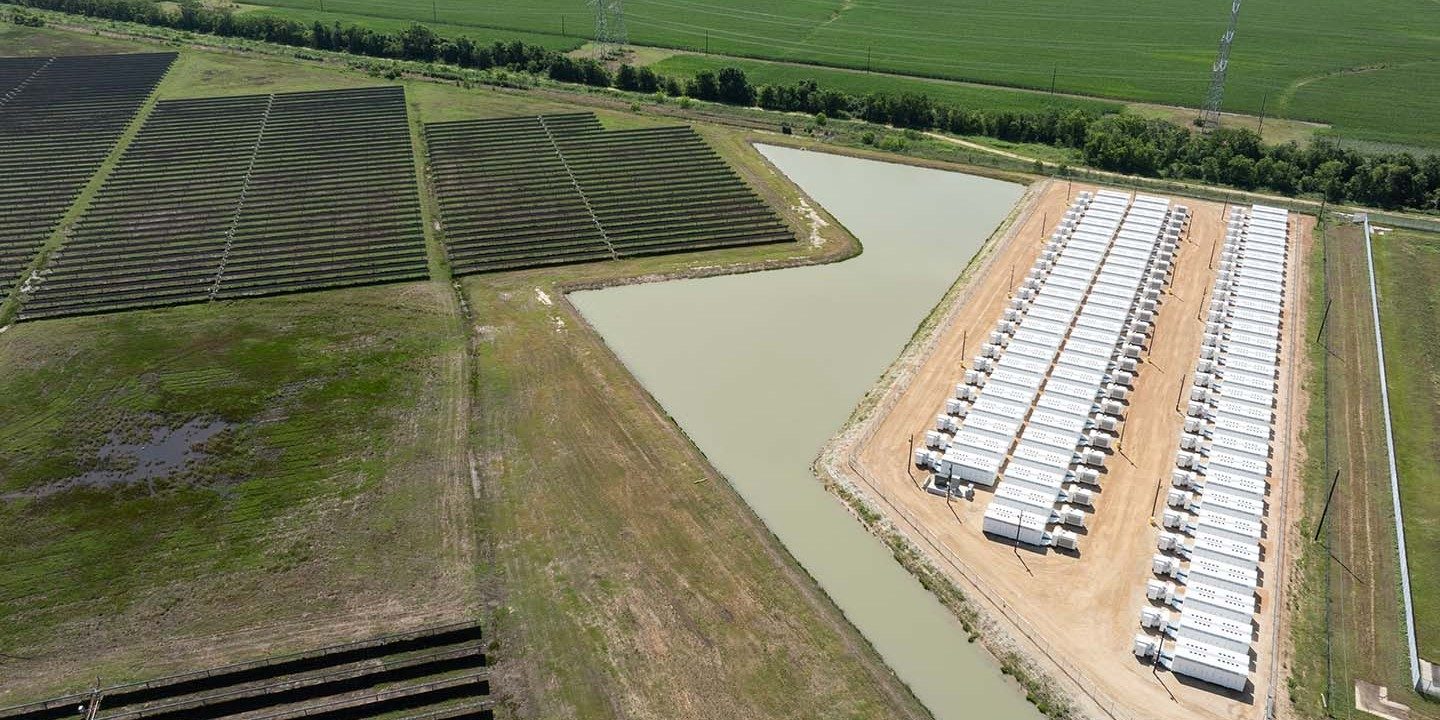
The United States is poised to significantly expand its electricity generation capacity over the next 12 months, with projections indicating the addition of approximately 82.7 gigawatts (GW) of new renewable energy and battery storage facilities. This substantial influx of clean energy capacity is detailed in new data released by the US Energy Information Administration (EIA) and subsequently reviewed by the SUN DAY Campaign. In contrast to this growth, the nation's existing fossil fuel and nuclear power generation capacity is expected to experience a net decrease of more than 1.4 GW during the same period.
The EIA's projections highlight a dynamic shift in the US energy landscape, with solar power leading the expansion of renewable generation. Specifically, utility-scale solar photovoltaic (PV) projects are anticipated to contribute the largest share of new capacity, accounting for an estimated 58.6 GW. This figure represents a significant portion of the total renewable build-out. Following solar, wind power is expected to add another 14.6 GW of capacity. Battery storage systems are also playing an increasingly crucial role, with an projected addition of 9.1 GW.
Beyond these primary renewable sources, other clean energy technologies are contributing to the overall capacity increase. Hydropower is expected to add 0.2 GW, while geothermal energy will contribute 0.1 GW. These additions, while smaller in scale compared to solar and wind, collectively bolster the nation's clean energy portfolio. The EIA's data also indicates that a small amount of new natural gas capacity, 0.1 GW, is expected to come online, but this is dwarfed by the overall decline in fossil fuel generation.
The projected decline in fossil fuel and nuclear capacity is attributed to the retirement of older, less efficient, and more polluting power plants. The EIA data indicates that 1.5 GW of coal-fired power capacity is scheduled for retirement, alongside 0.1 GW of nuclear capacity. While 0.2 GW of natural gas capacity is also slated for retirement, the net effect is a reduction in non-renewable and non-nuclear generation resources. This trend underscores a broader national effort to transition towards a cleaner and more sustainable energy infrastructure, driven by both environmental concerns and economic factors favouring renewable technologies.
The SUN DAY Campaign, in its review of the EIA's findings, emphasizes the accelerating pace of renewable energy deployment and the simultaneous decommissioning of fossil fuel assets. This dual movement is critical for meeting climate goals and enhancing energy security. The substantial growth in battery storage capacity is particularly noteworthy, as it is essential for integrating intermittent renewable sources like solar and wind into the grid, ensuring reliable power supply even when these sources are not actively generating electricity. The EIA's comprehensive data provides a clear snapshot of the ongoing transformation within the US power sector.
Original source — read the full reporting at the publisher:
Read on ElectrekGet the weekly AI digest
AI news + new model releases, weekly. Drafted by our agents, reviewed by humans.