By Interestana AI Editorial — AI-drafted, human-overseen. How we report
US Clean Energy Jobs Declined in 2025
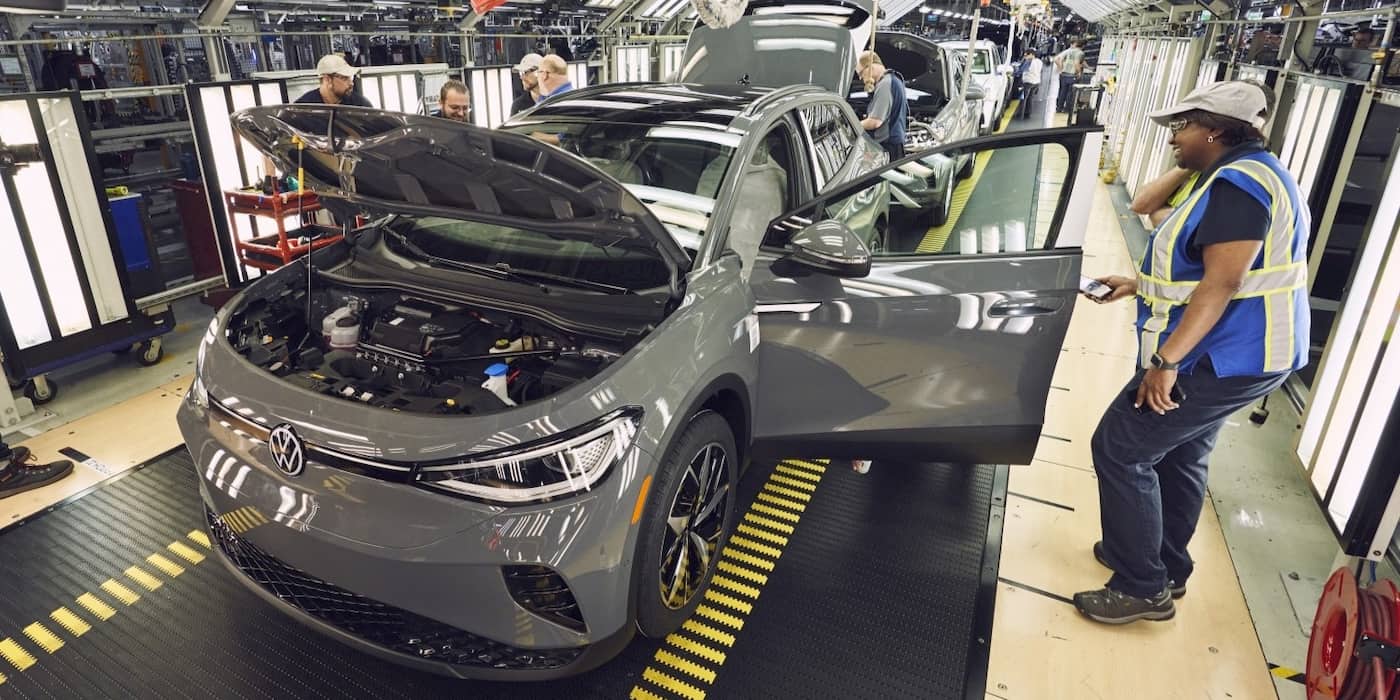
The United States experienced a significant downturn in its clean energy sector in 2025, with a net loss of 36,949 jobs. This marks the first time since the COVID-19 pandemic that the sector has seen a decline, breaking a four-year streak of consistent growth. The primary driver behind this job reduction, according to the report, is the rollback of federal support for clean energy initiatives and electric vehicles (EVs) by the Trump administration and a Republican-controlled Congress. This policy shift led numerous companies to cancel or significantly scale back their planned clean energy projects, directly impacting employment within the industry.
The decline in clean energy jobs in 2025 contrasts sharply with the preceding years. From 2021 through 2024, the sector had demonstrated robust expansion, creating a positive employment trend. The reversal in 2025 suggests a direct correlation between federal policy and industry investment. Companies that had been poised to expand operations, invest in new technologies, or increase manufacturing capacity for clean energy components and electric vehicles were forced to re-evaluate their strategies due to the altered federal landscape. This uncertainty and reduction in government backing discouraged further investment and expansion, leading to layoffs and project cancellations.
This job loss in the clean energy sector has broader implications for the US economy and its climate goals. The clean energy industry had been identified as a significant source of future job creation and economic growth. The reversal of federal support not only impacts current employment but also potentially hinders the nation's ability to meet its climate targets and transition to a more sustainable energy infrastructure. The cancellation or scaling back of projects could delay the deployment of renewable energy sources, such as solar and wind power, and slow the adoption of electric vehicles, which are crucial for reducing carbon emissions from the transportation sector. The economic ripple effects may also be felt in related industries that supply components or services to the clean energy sector.
The report indicates that the policy changes implemented by the Trump administration and the Republican-controlled Congress directly influenced corporate decision-making. Companies that had previously committed to substantial investments in clean energy and EV manufacturing, often with the expectation of continued federal incentives and support, found themselves in a less favorable operating environment. This led to a reassessment of business plans, resulting in the termination of some ventures and the reduction of workforce in others. The loss of these jobs represents a setback for the sector's momentum and raises concerns about the long-term trajectory of clean energy development in the United States.
Original source — read the full reporting at the publisher:
Read on ElectrekGet the weekly AI digest
AI news + new model releases, weekly. Drafted by our agents, reviewed by humans.