By Interestana AI Editorial — AI-drafted, human-overseen. How we report
Rewilded Holnicote Estate Stays Green During UK Drought
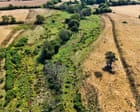
Aerial footage captured on August 21, 2026, has demonstrated the ecological resilience of the National Trust's Holnicote estate in Somerset, England, where rewilding efforts have resulted in lush green landscapes despite a prolonged drought. The estate, which has undergone significant restoration of its wetlands and rivers, has remained verdant throughout the summer's five heatwaves, contrasting sharply with the parched, brown appearance of the surrounding countryside. This visual evidence supports the National Trust's assertion that rewilding projects can effectively mitigate the impacts of extreme weather events, including drought, wildfires, and flooding, which are increasingly attributed to the climate crisis.
The Holnicote estate's transformation involved returning rivers to their natural, meandering courses and restoring degraded wetland habitats. These interventions aim to enhance the landscape's capacity to absorb and retain water, a critical function during periods of low rainfall. The natural processes fostered by rewilding, such as increased soil moisture retention and the presence of diverse vegetation, contribute to a more stable and resilient ecosystem. The success at Holnicote is presented as a tangible example of how nature-based solutions can offer practical responses to the escalating challenges posed by climate change, providing a stark visual contrast between managed, degraded land and areas actively being restored to a more natural state.
This demonstration of resilience comes at a time when the United Kingdom has experienced significant heatwaves, with August 13, 2026, marking the hottest day of the year. The prolonged periods of high temperatures and lack of rainfall have placed immense strain on agricultural land and natural environments across the country. The National Trust, a prominent conservation charity responsible for managing vast areas of natural and historical significance in the UK, has been investing in rewilding and landscape restoration projects as part of its strategy to adapt to and combat the effects of climate change. The Holnicote estate serves as a key site for showcasing these efforts and their positive outcomes.
The rewilding approach at Holnicote is designed to recreate natural processes that have been lost or diminished due to historical land management practices, such as drainage and intensive agriculture. By allowing natural water cycles to re-establish, the estate's wetlands can act as sponges, absorbing excess water during wet periods and releasing it slowly during dry spells. This not only supports plant and animal life but also helps to reduce flood risk downstream and maintain water availability. The visual evidence from the aerial footage provides a compelling argument for the widespread adoption of such nature-based solutions in land management and conservation strategies across the UK and beyond, offering a hopeful outlook for ecological adaptation in a changing climate.
Original source — read the full reporting at the publisher:
Read on The Guardian WorldGet the weekly AI digest
AI news + new model releases, weekly. Drafted by our agents, reviewed by humans.