By Interestana AI Editorial — AI-drafted, human-overseen. How we report
Heat, Water Scarcity Worsen Caste Divides in India
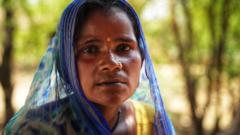
Rising temperatures and increasing water scarcity are intensifying pre-existing caste-based inequalities in India's Bundelkhand region, a situation highlighted by local activists. The Bundelkhand region, which spans parts of Uttar Pradesh and Madhya Pradesh, is experiencing more frequent and severe heatwaves, coupled with a significant decline in available water resources. This environmental stress disproportionately affects marginalized communities, particularly those belonging to lower castes, who often have less access to land, water, and resources necessary to cope with extreme weather conditions.
Activists point out that historically, lower-caste communities have been relegated to marginal lands, often those most vulnerable to drought and heat. During periods of intense heat and water shortage, these communities bear the brunt of the impact. They face greater difficulties in accessing drinking water, as well as water for agriculture and livestock, which are crucial for their livelihoods. The increased burden of fetching water from farther and deeper sources falls heavily on women within these communities. Furthermore, the limited availability of water for irrigation exacerbates crop failures, leading to economic hardship that is more pronounced among poorer, lower-caste households.
Conversely, dominant caste groups often possess greater land ownership and better access to infrastructure, such as private wells or government water schemes, which can mitigate the immediate effects of water scarcity. This disparity in coping mechanisms means that while the entire region suffers, the impact is significantly amplified for those already at the bottom of the social hierarchy. The scorching summers, therefore, do not just represent an environmental challenge but also act as a stressor that deepens the fissures of social inequality, making recovery and resilience more difficult for the most vulnerable.
The situation in Bundelkhand is indicative of a broader trend in India, where climate change impacts are often superimposed on existing socio-economic vulnerabilities. The region's reliance on agriculture, which is highly sensitive to climatic variations, makes it particularly susceptible. As heatwaves become more intense and water sources become more unreliable, the traditional coping strategies of many rural communities are being pushed to their limits. The deepening caste divides in the face of these environmental crises underscore the urgent need for targeted interventions that address both climate adaptation and social equity, ensuring that the burdens of environmental change do not fall disproportionately on the most marginalized populations.
Original source — read the full reporting at the publisher:
Read on BBC World NewsGet the weekly AI digest
AI news + new model releases, weekly. Drafted by our agents, reviewed by humans.