By Interestana AI Editorial — AI-drafted, human-overseen. How we report
College Affordability Declines Further, Report States
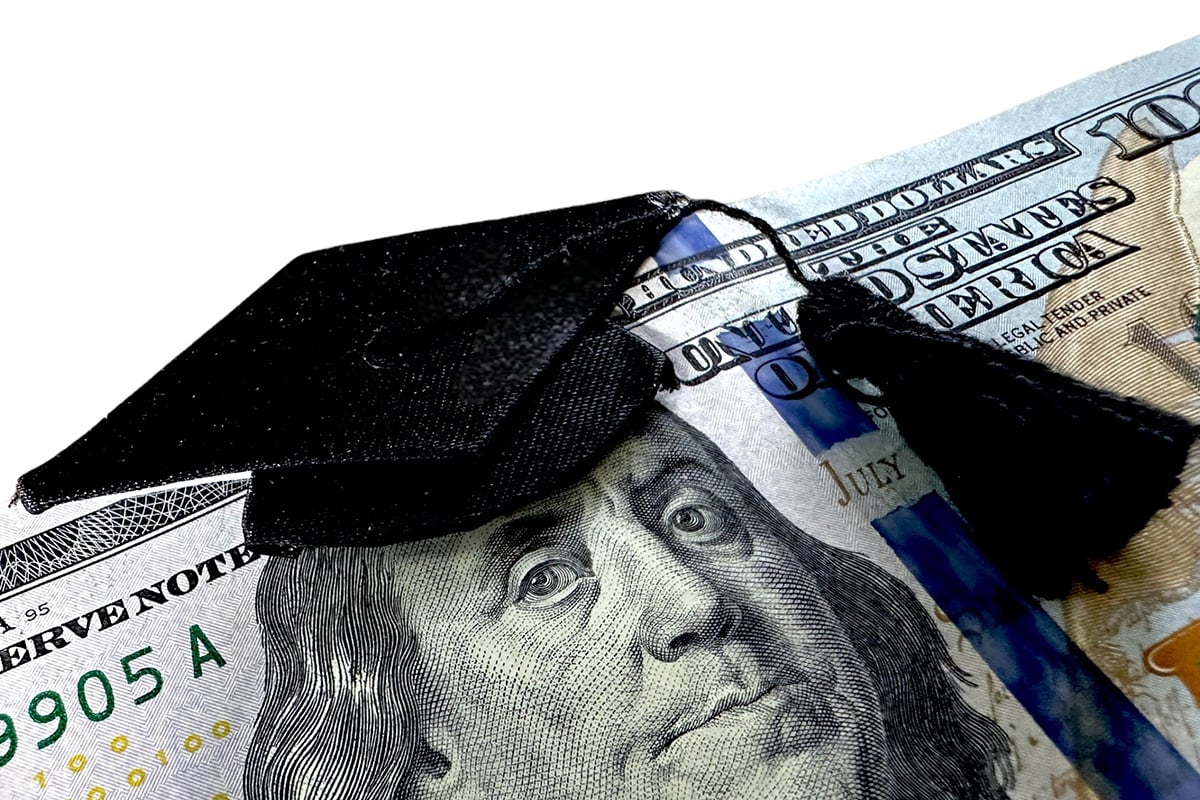
College affordability has continued its downward trend, according to a recent report released on October 5, 2026. The analysis highlights a widening gap between the increasing cost of higher education and the stagnant growth of wages for many families. This trend suggests that obtaining a college degree is becoming an even more significant financial burden for prospective students and their parents. The report details how tuition fees, room and board, and other associated expenses have escalated at a rate that outpaces the average income increase over the past decade. Consequently, a larger proportion of household income is now required to cover the costs of attending college, forcing many to rely more heavily on student loans.
The findings underscore a persistent challenge in the higher education landscape, where the promise of upward mobility through a degree is increasingly tempered by the reality of substantial debt accumulation. The report examines various factors contributing to this decline in affordability, including reduced state funding for public institutions, increased administrative costs, and a competitive market that allows universities to raise prices. While some institutions offer financial aid and scholarships, these measures are often insufficient to offset the overall rise in expenses for a significant segment of the student population. The cumulative effect is a growing concern about equitable access to higher education and the long-term economic implications of widespread student debt.
Furthermore, the report contrasts the rising cost of college with trends in financial aid packages. While financial aid has increased in nominal terms, its growth has not kept pace with the escalating tuition rates. This means that even with aid, students and families are often left with a larger out-of-pocket expense or a greater need to borrow. The report also touches upon the disparity in affordability across different types of institutions, with private universities often presenting a steeper financial challenge than public ones, though the latter are also experiencing significant cost increases. The implications of this ongoing affordability crisis extend beyond individual financial well-being, potentially impacting broader economic growth and social equity by limiting access to skilled labor and professional careers for those unable to bear the financial brunt of higher education.
The analysis presented in the October 5, 2026 report serves as a critical update on the state of college affordability, reinforcing previous concerns and providing updated data on the financial pressures faced by students and families. It calls for further examination of policy interventions and institutional practices that could help mitigate these rising costs and ensure that higher education remains an accessible pathway to opportunity for a diverse range of individuals. The report's detailed examination of cost components and financial aid effectiveness aims to inform discussions among policymakers, educators, and the public regarding potential solutions to this pressing issue.
Original source — read the full reporting at the publisher:
Read on Inside Higher EdGet the weekly AI digest
AI news + new model releases, weekly. Drafted by our agents, reviewed by humans.