Pakistan Buys LNG as Hormuz Flows Remain Constrained
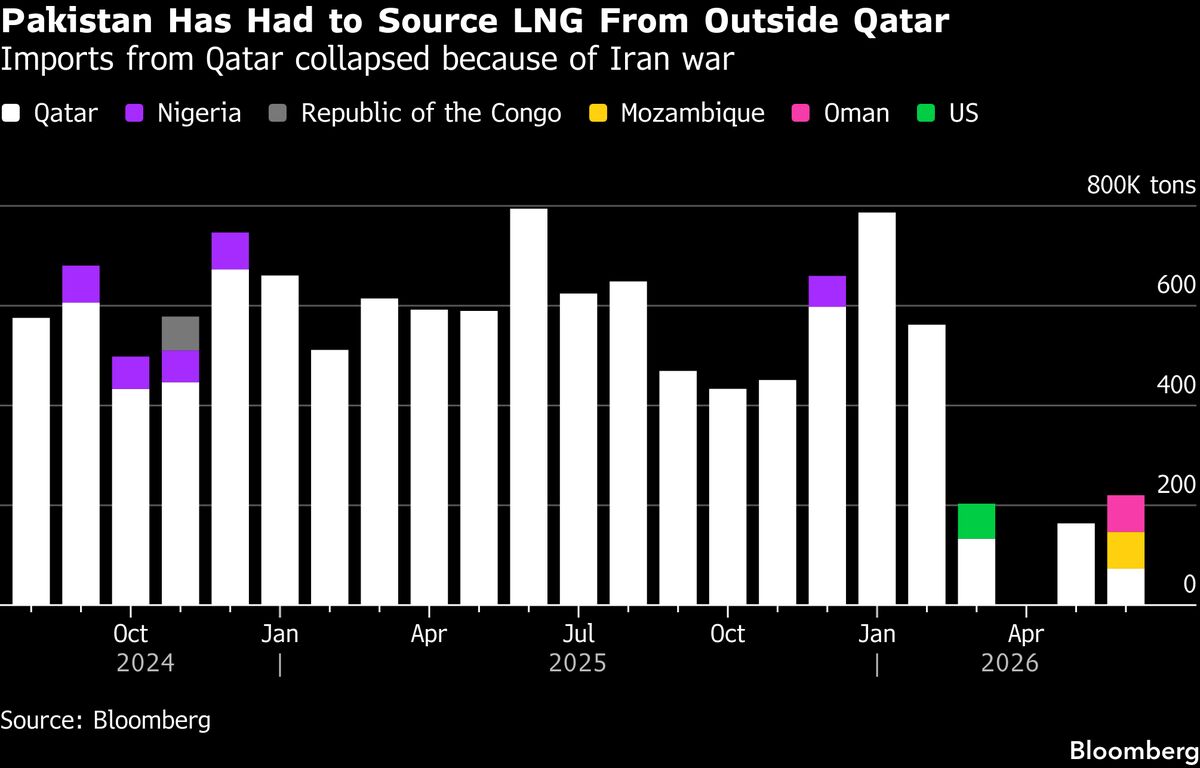
Pakistan secured an additional liquefied natural gas (LNG) cargo for delivery this week, signaling continued reliance on alternative energy sources amid persistent disruptions in key supply routes. The purchase comes as export flows from Qatar, a primary LNG supplier, through the Strait of Hormuz have not yet returned to previous levels. This situation highlights the ongoing challenges in global energy markets and Pakistan's efforts to ensure energy security.
The Strait of Hormuz is a critical chokepoint for global energy shipments, and any reduction in its throughput can significantly impact supply and prices. While the specific reasons for the ongoing constraints were not detailed, geopolitical tensions and operational issues are often cited as potential causes for such disruptions. Pakistan's energy sector has been particularly vulnerable to supply chain volatility, making such procurement decisions crucial for maintaining domestic energy availability.
This latest purchase underscores Pakistan's strategy of diversifying its energy imports and securing supply contracts to mitigate the risks associated with relying on a single or limited number of transit routes. The country has been actively seeking to bolster its LNG import capacity and secure competitive pricing to meet its growing energy demands. The ability to secure timely LNG deliveries is vital for Pakistan's industrial output and power generation.
Further details regarding the supplier of this specific LNG cargo and the contracted price were not immediately available. However, the transaction reflects the broader trend of increased LNG demand in South Asia as countries look to secure stable energy supplies. The ongoing situation in the Strait of Hormuz will likely continue to influence regional energy trade dynamics and pricing for the foreseeable future.
Original source — read the full reporting at the publisher:
Read on Bloomberg Markets