Copper and Aluminum Rise on Lower Rate Hike Expectations
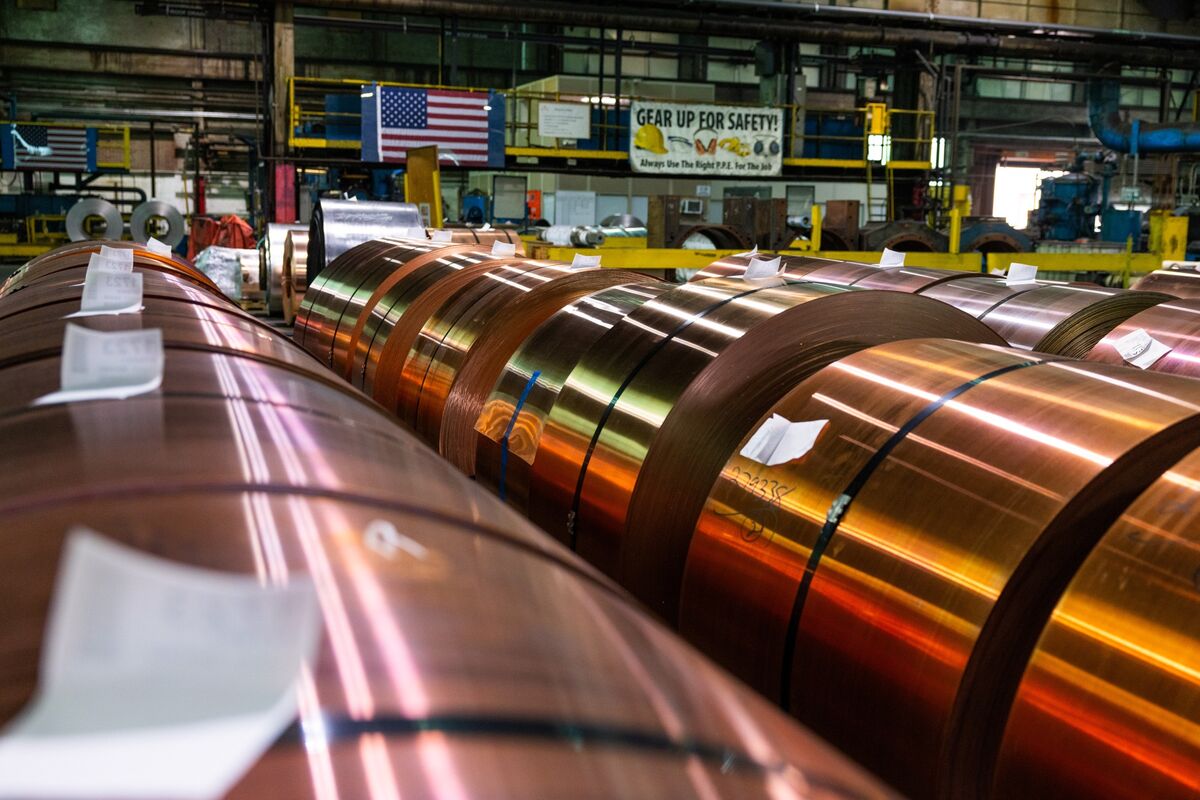
Copper prices climbed for the third consecutive day, and aluminum extended its recovery from a four-month low, with both metals benefiting from reduced expectations of further interest rate increases by the U.S. Federal Reserve. This shift in market sentiment suggests that investors are anticipating a pause or even a potential decrease in interest rates, which typically makes industrial metals more attractive as borrowing costs decrease and economic activity is expected to pick up.
The Federal Reserve's monetary policy decisions are closely watched by commodity markets, as higher interest rates can strengthen the U.S. dollar, making dollar-denominated commodities more expensive for holders of other currencies. Conversely, expectations of lower rates can weaken the dollar and boost demand for raw materials like copper and aluminum, which are essential components in manufacturing, construction, and electronics. The current market movement indicates a growing belief that the central bank may be nearing the end of its tightening cycle.
Analysts are closely monitoring economic indicators, including inflation data and employment figures, to gauge the Federal Reserve's future actions. Any signs of cooling inflation or a softening labor market could further solidify expectations of a less hawkish monetary policy. This, in turn, could provide additional support for industrial metals, potentially leading to further price appreciation in the coming weeks and months. The sustained upward trend in copper and aluminum prices reflects this evolving macroeconomic outlook.
While the immediate focus is on interest rate expectations, other factors such as global supply dynamics and demand from major economies like China also play a significant role in price movements for these key commodities. However, the current rally appears to be primarily driven by the anticipation of a more accommodative monetary stance from the Federal Reserve, signaling a potential shift in financial conditions that favors riskier assets and industrial inputs.
Original source — read the full reporting at the publisher:
Read on Bloomberg Markets