Korea Leveraged ETFs Face Delisting Calls Amid Risk Concerns
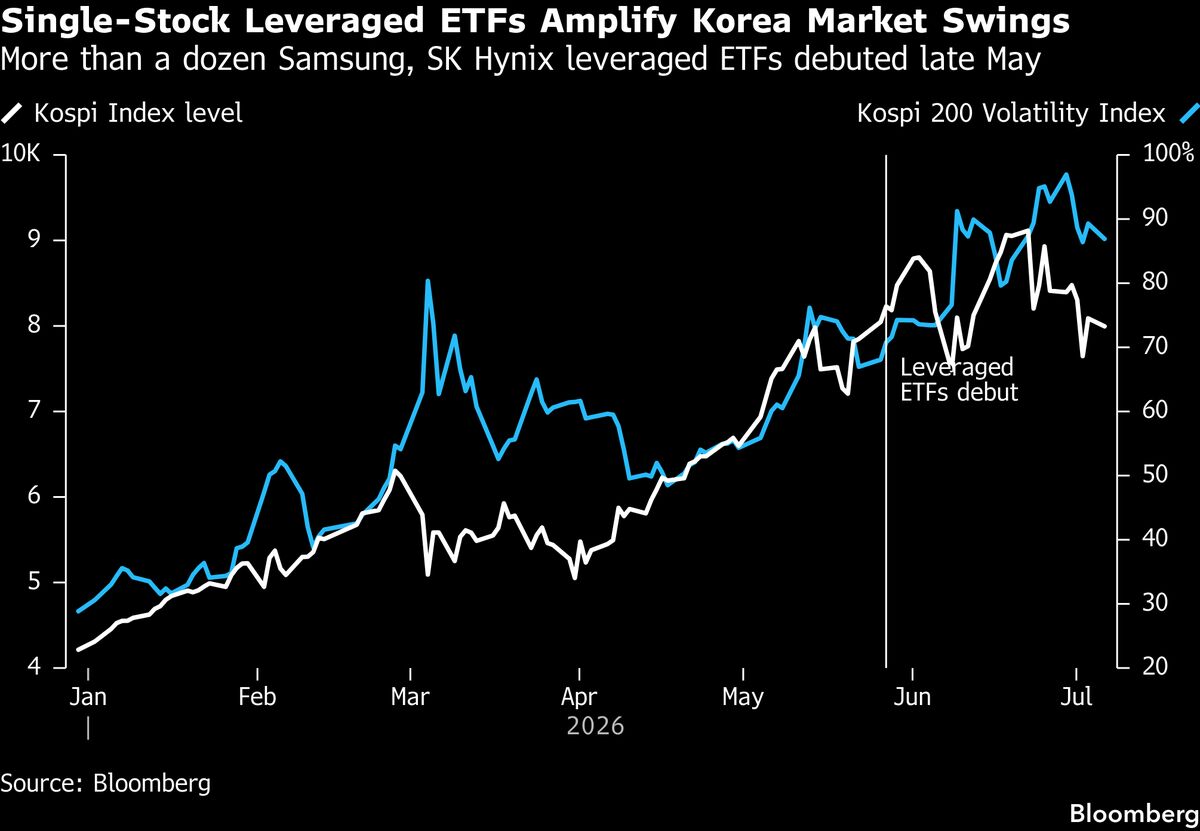
South Korean lawmakers are expressing growing unease regarding the risks posed by single-stock leveraged exchange-traded funds (ETFs). The concerns have escalated to the point where an opposition party member is now advocating for the delisting of these financial products. This push reflects a broader apprehension among regulators and investors about the potential for significant losses and market volatility associated with leveraged ETFs, particularly those tracking individual stocks.
The debate centers on the complex nature of these ETFs, which aim to deliver multiples of a stock's daily performance. While offering the potential for amplified gains, they also carry the risk of magnified losses, especially in volatile markets. Critics argue that retail investors may not fully grasp the inherent risks, leading to potential financial distress. The Financial Services Commission (FSC) has previously acknowledged these concerns and has been reviewing the regulatory framework surrounding leveraged ETFs.
This latest call for delisting signals a potential shift in regulatory sentiment and could lead to stricter oversight or outright bans on certain types of leveraged products. The Financial Supervisory Service (FSS) has been monitoring the market for leveraged ETFs and has previously issued warnings about their speculative nature. The increasing scrutiny suggests that the financial authorities are taking a more proactive stance in protecting retail investors from products deemed excessively risky.
The specific product in question involves leveraged ETFs that track the performance of individual companies, rather than broader market indices. This concentration of risk on a single stock amplifies the potential for dramatic price swings. Lawmakers are urging for a thorough review of the current regulations governing these products and are demanding concrete measures to mitigate the risks faced by investors. The outcome of these discussions could have significant implications for the Korean ETF market and investor protection policies.
Original source — read the full reporting at the publisher:
Read on Bloomberg Markets