By Interestana AI Editorial — AI-drafted, human-overseen. How we report
Atlantic Hurricane Season Poised for First Storm
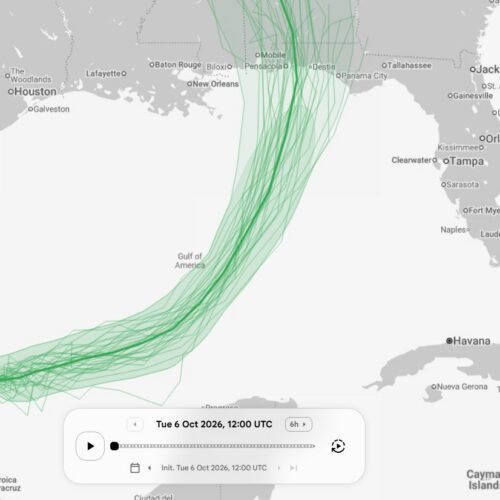
A low-pressure system situated in the western Gulf of Mexico is anticipated to develop into a tropical storm imminently. Forecast modeling indicates a significant probability that this storm will escalate into a hurricane. While a hurricane forming in early October is typically not an unusual occurrence, its emergence this year would mark a notable deviation from historical patterns. The current Atlantic hurricane season has yet to produce a single hurricane, a situation unprecedented in the modern record. This record, which dates back to approximately World War II, is characterized by comprehensive data collection through aircraft reconnaissance and continuous satellite coverage. Throughout this period, no Atlantic hurricane season has concluded without at least one hurricane forming, and no season has progressed this far into the year without a hurricane developing. The absence of a hurricane thus far this season is a significant anomaly. Meteorologists are closely monitoring the system's trajectory and intensity, with particular attention paid to its potential landfall and impact on coastal regions. The development of a hurricane, even late in the season, could still pose a threat to communities, especially those that may not have fully prepared for tropical cyclone activity due to the season's unusual quietude. The National Hurricane Center (NHC) is providing regular updates on the system's progress, urging residents in vulnerable areas to stay informed and prepared. The economic and environmental implications of a late-season hurricane, though potentially less severe than those from storms forming during peak season, are still a concern for affected regions. This development underscores the inherent variability of weather patterns and the importance of continuous monitoring and preparedness, regardless of the season's perceived activity level. The formation of this storm, if it reaches hurricane strength, will break a unique streak in meteorological history, highlighting the dynamic nature of Earth's climate systems. Further analysis of the atmospheric conditions contributing to this delayed hurricane formation is expected to provide valuable insights for future forecasting models and climate research. The potential for this storm to become the season's first hurricane is a primary focus for forecasters and the public alike, as it signifies a shift from an unusually calm period to one with potential tropical cyclone threats.
Original source — read the full reporting at the publisher:
Read on Ars TechnicaGet the weekly AI digest
AI news + new model releases, weekly. Drafted by our agents, reviewed by humans.