By Interestana AI Editorial — AI-drafted, human-overseen. How we report
Hunter Valley Group Wins Landmark High Court Climate Case
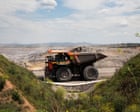
A community group in Australia's Hunter Valley has achieved a significant victory in the nation's first high court case to directly address climate change, establishing a binding national precedent for fossil fuel projects within New South Wales. The landmark judgment, delivered by Australia's highest court, affirmed a unanimous decision from the NSW Court of Appeal. This ruling overturned the proposed expansion of MACH Energy's Mount Pleasant coalmine, located in Muswellbrook. The community group's legal challenge centered on the environmental impact and climate consequences of the mine's expansion.
Advocates for the Hunter Valley group have stated that the ruling signifies a critical shift in how climate change impacts are considered in major development approvals. They emphasized that the decision acknowledges the direct link between the extraction of fossil fuels and their environmental repercussions. The group's representatives have articulated that "we cannot continue to dig up coal … and pretend the consequences have nothing to do with us." This sentiment underscores the core argument that the cumulative effects of fossil fuel extraction on the climate must be a primary consideration in regulatory and judicial processes. The legal battle highlights a growing trend of community-led environmental litigation aimed at holding corporations and governments accountable for climate-related damages and future emissions.
The Mount Pleasant coalmine, operated by MACH Energy, is situated in the Hunter Valley region of New South Wales, an area historically significant for its coal production. The proposed expansion aimed to increase the mine's output and operational lifespan. However, the legal challenge brought forth by the local community group successfully argued that the environmental impact assessment, particularly concerning climate change, was inadequate. The NSW Court of Appeal's initial decision, now upheld by the High Court, focused on the need for a more comprehensive evaluation of the project's contribution to greenhouse gas emissions and its potential effects on climate change mitigation efforts. This precedent is expected to influence future decisions regarding other large-scale fossil fuel projects across Australia, particularly in New South Wales, where the state government has a significant role in approving such developments.
The implications of this High Court ruling extend beyond the specific case of the Mount Pleasant coalmine. It is anticipated to empower other environmental groups and communities to challenge fossil fuel projects on climate grounds. The decision suggests that courts will now be more inclined to scrutinize the climate change implications of resource extraction projects, potentially leading to stricter environmental regulations and more rigorous assessment processes. This legal victory marks a pivotal moment in Australia's ongoing debate about energy policy, climate action, and the future of its fossil fuel industry, signaling a potential acceleration in the transition towards cleaner energy sources and a more cautious approach to approving new coal and gas projects.
Original source — read the full reporting at the publisher:
Read on The Guardian WorldGet the weekly AI digest
AI news + new model releases, weekly. Drafted by our agents, reviewed by humans.