By Interestana AI Editorial — AI-drafted, human-overseen. How we report
New Zealand Greenhouse Gas Levels Reach Record Highs
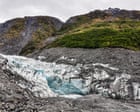
New Zealand's greenhouse gas levels have reached record highs, significantly increasing the nation's vulnerability to more frequent and intense heatwaves, damaging storms, and cyclones, according to the "Our Atmosphere and Climate 2026" report released on Wednesday. This report highlights the escalating climate pressures the country is facing, with profound implications for its environment, native species, and communities. The findings indicate a trajectory towards potentially catastrophic glacier melts, a direct consequence of the rising global temperatures driven by these elevated greenhouse gas concentrations. The report underscores the urgent need for climate action to mitigate these severe environmental threats.
The "Our Atmosphere and Climate 2026" report, a comprehensive assessment of the nation's atmospheric and climatic conditions, details a concerning trend of increasing climate pressures. These pressures are not abstract future possibilities but are already manifesting in observable environmental changes across New Zealand. The report's findings are based on extensive data collection and analysis, providing a scientific basis for the warnings issued regarding the nation's climate future. The implications extend beyond environmental degradation, posing significant risks to the country's infrastructure, economy, and the well-being of its citizens. The report serves as a critical alert from New Zealand's scientific bodies regarding the severity of the climate crisis.
The observed increase in greenhouse gas levels is consistent with global trends, but the report specifically details the localized impacts on New Zealand's unique geography and ecosystems. The nation's glaciers, in particular, are identified as highly sensitive indicators of climate change, with current trends pointing towards accelerated melting. This melting not only contributes to sea-level rise but also affects freshwater availability and the delicate balance of alpine ecosystems. The report emphasizes that the current trajectory, if unaddressed, will lead to irreversible damage to these natural assets. The scientific community involved in compiling the report has stressed the urgency of implementing robust climate mitigation and adaptation strategies to safeguard the country's future.
The report's release on Wednesday marks a significant moment for New Zealand's climate discourse, providing concrete data to support calls for more ambitious climate policies. The findings are expected to inform government decision-making and public awareness campaigns aimed at fostering greater understanding and action on climate change. The interconnectedness of greenhouse gas emissions, rising temperatures, and extreme weather events is clearly articulated, painting a stark picture of the challenges ahead. The report's authors have called for immediate and sustained efforts to reduce emissions and build resilience against the unavoidable impacts of climate change, underscoring that the window for effective action is narrowing.
Original source — read the full reporting at the publisher:
Read on The Guardian WorldGet the weekly AI digest
AI news + new model releases, weekly. Drafted by our agents, reviewed by humans.