By Interestana AI Editorial — AI-drafted, human-overseen. How we report
The Disconnect Between High Intelligence and Social Savvy: Why Smart People Can Struggle in Everyday Life
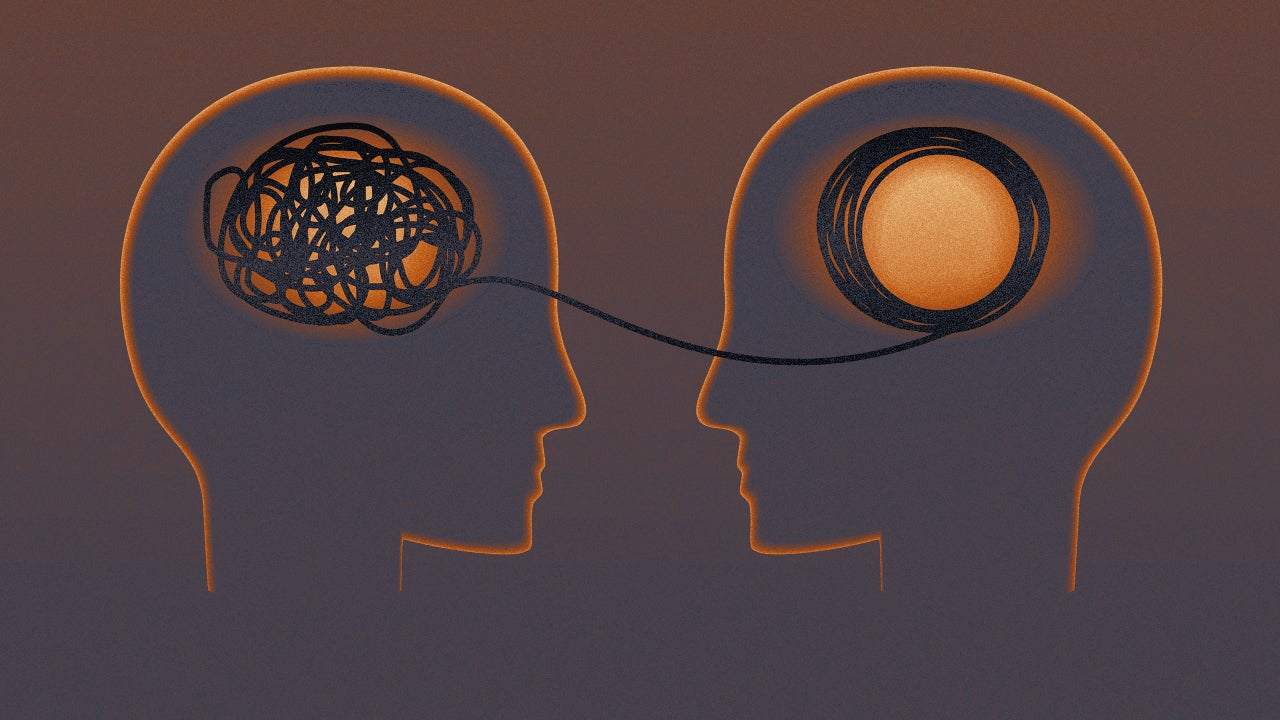
Decades of scientific research underscore a significant, yet often overlooked, distinction: while traditional measures of intelligence are consistent predictors of real-life success, this connection is far from perfect. This explains the common observation of individuals who possess exceptional intellectual prowess—demonstrating extensive knowledge, sharp mathematical acumen, or advanced abstract reasoning—yet struggle to navigate everyday social and interpersonal situations effectively. The ability to function adeptly in social contexts is not an inherent byproduct of formidable mental horsepower or abstract cognitive capacity.
This disconnect between high cognitive ability and limited social skills is frequently illuminated through compelling fictional portrayals. Characters like Sheldon Cooper, the brilliant but socially inept theoretical physicist from the popular sitcom "The Big Bang Theory," embody this phenomenon. Similarly, the iconic detective Sherlock Holmes, renowned for his unparalleled deductive reasoning, often exhibits a profound lack of social graces. Mark Zuckerberg, as famously depicted in the film "The Social Network," also serves as a contemporary example, showcasing immense intellectual talent alongside challenges in interpersonal dynamics. These characters, despite their extraordinary mental capabilities, often demonstrate a striking inability to navigate the nuances of ordinary human interactions.
One prominent theoretical framework attempting to explain this uneven cognitive-interpersonal profile is Simon Baron-Cohen's "spectrum" theory, which posits the role of empathy deficits and neuroatypical patterns. Baron-Cohen, a professor of developmental psychology and psychiatry at the University of Cambridge, suggests that individuals, particularly those who may fall on the autism or Asperger syndrome spectrum, can exhibit a stronger inclination towards "systemizing"—the drive to understand and construct systems—while simultaneously displaying weaker "empathizing" abilities—the capacity to understand and respond to the mental states of others. This imbalance between systemizing and empathizing could offer a partial explanation for the observed disparity between advanced cognitive functions and relatively limited emotional or interpersonal skills.
It is crucial, however, to acknowledge the complexities and limitations of broader conceptualizations. The term "neurodiversity," while serving as an important and inclusive umbrella concept for a wide range of heterogeneous traits and conditions, is not a precise scientific explanation for individual differences. The reliability of diagnoses within this broad category can also be somewhat variable, making it a complex area for definitive scientific pronouncements on specific interpersonal challenges. Ultimately, the core finding remains robust: intellectual prowess does not automatically translate into social adeptness, a distinction consistently supported by extensive psychological and neurological research.
Original source — read the full reporting at the publisher:
Read on Fast CompanyGet the weekly AI digest
AI news + new model releases, weekly. Drafted by our agents, reviewed by humans.