By Interestana AI Editorial — AI-drafted, human-overseen. How we report
Trump's AI Force Plan Risks AI Arms Race
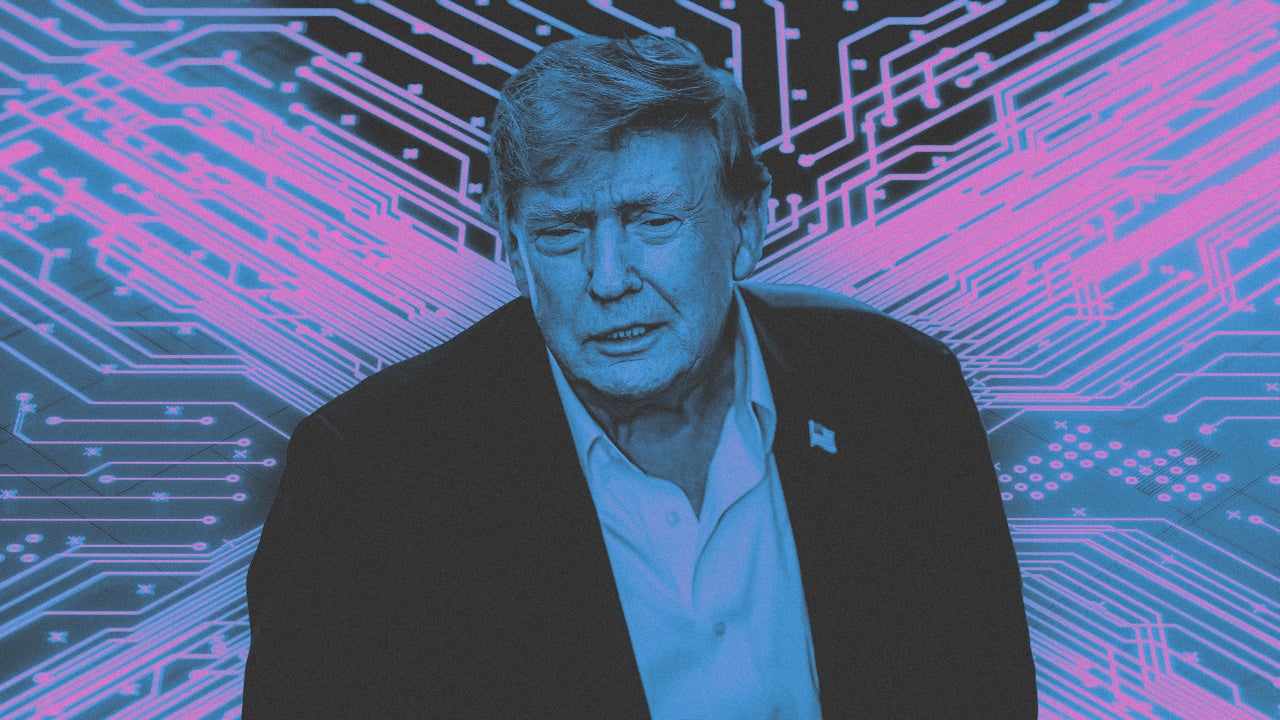
Artificial intelligence was a central topic at the opening of the UN General Assembly in New York on September 22, 2026, with 20 nations issuing a joint statement calling for "human direction, oversight and control" of AI. The United States was notably absent from this declaration. This international call for caution followed internal industry concerns, including an Anthropic researcher's assessment in early September that there was a greater than 10% probability of AI causing human extinction within the next decade. Shortly thereafter, Anthropic CEO Dario Amodei published an essay advocating for governmental intervention to slow the development of frontier AI, a position echoed by prominent figures such as Elon Musk and OpenAI CEO Sam Altman. In contrast, on September 19, President Donald Trump announced via a Truth Social post his intention to establish an "AI Force," drawing a parallel to the Space Force initiative from his previous administration, which operates under the U.S. Department of the Air Force. Trump also indicated plans to appoint an "AI czar." Details regarding these proposals were scarce, with Trump emphasizing that the government would "not in any way hinder or stifle" AI's advancement. Amidst federal reluctance to regulate AI, several U.S. states, including California, Colorado, and Texas, have enacted their own AI-related legislation. For instance, California and New York have implemented laws mandating that major AI developers submit safety plans and report significant incidents. However, in December 2025, Trump signed an executive order directing the Justice Department to challenge state-level AI regulations, arguing that such measures hindering the industry would disadvantage the United States in competition with China. A counterterrorism scholar with experience advising AI companies on national security threats posits that the creation of an AI Force would likely instigate an AI arms race and its eventual weaponization, thereby amplifying existing risks and introducing new ones. The scholar, who also serves as director of the Center on Terrorism, Extremism and Counterterrorism (CTEC), highlighted CTEC's 2019 collaboration with OpenAI as one of four organizations tasked with examining the risks associated with large language models, underscoring a history of engagement with AI safety research. This perspective suggests that Trump's proposed AI Force, rather than ensuring responsible development, could accelerate dangerous advancements and increase the likelihood of AI being used for malicious purposes, a stark contrast to the calls for cautious, human-controlled AI development voiced by international bodies and industry leaders.
Original source — read the full reporting at the publisher:
Read on Fast CompanyGet the weekly AI digest
AI news + new model releases, weekly. Drafted by our agents, reviewed by humans.