By Interestana AI Editorial — AI-drafted, human-overseen. How we report
McDonald's Uses AI Pricing Engine to Set Big Mac Prices
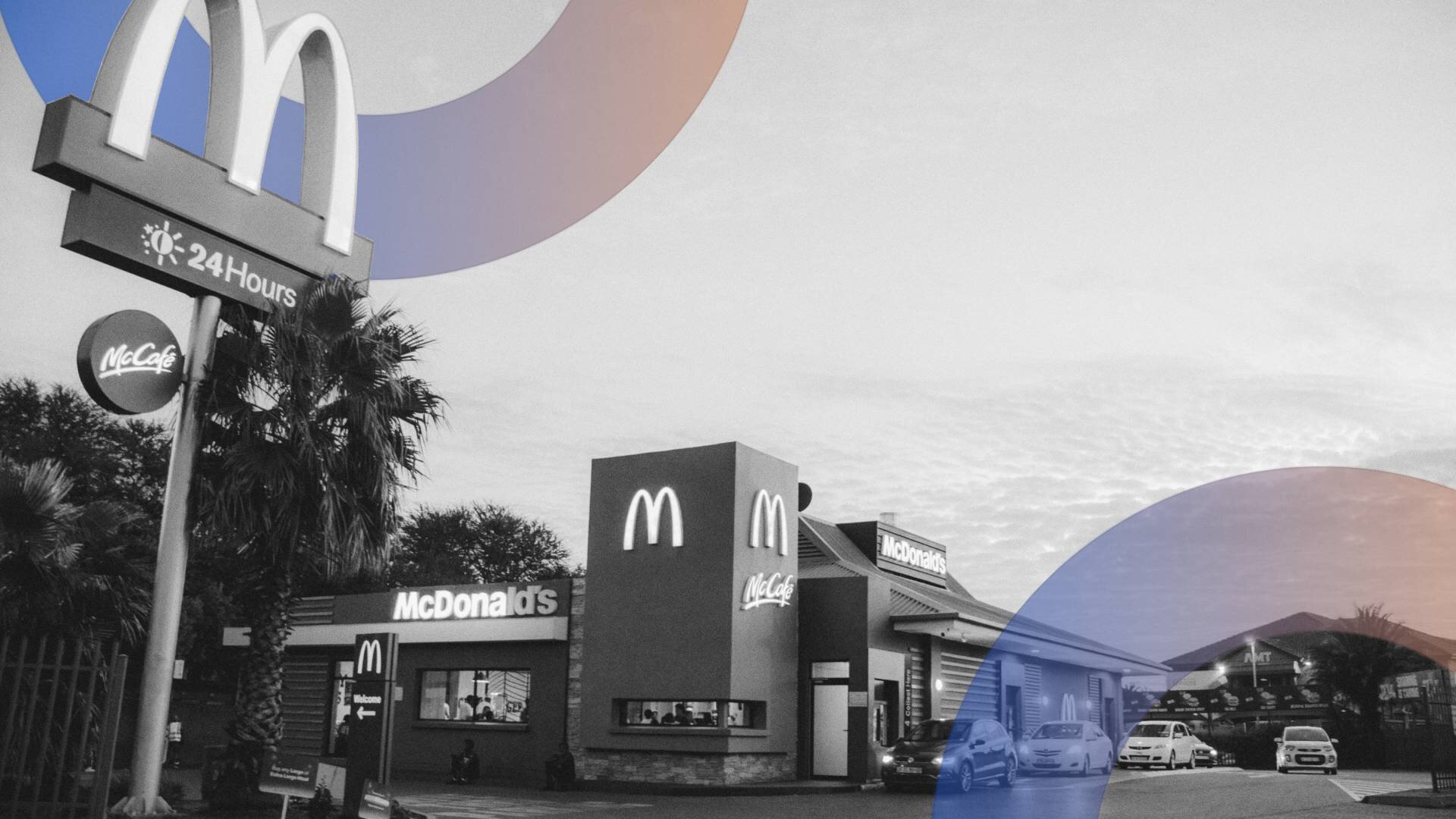
McDonald's has reportedly deployed an artificial intelligence-powered pricing engine that dynamically adjusts the prices of menu items, including the Big Mac, based on specific restaurant locations and what customers are willing to pay. This machine-learning model aims to determine an 'optimal price' for each item at each individual restaurant. The implementation has led to noticeable price discrepancies, with branches located just two miles apart exhibiting different pricing for the same products. This strategy suggests a move towards more granular and personalized pricing within the fast-food giant's extensive network of over 40,000 locations globally.
The AI system analyzes various factors to inform its pricing decisions. While the exact data inputs are not fully disclosed, it is understood to consider local market conditions, competitor pricing, and potentially consumer demand elasticity. The goal is to maximize revenue by charging customers the highest price they are willing to bear for a given item in a specific geographic area. This approach contrasts with traditional, more uniform pricing strategies that often set prices based on broader regional or national averages. The report indicates that this AI engine has been in development and testing for some time, with the intention of optimizing profitability across the franchise.
This AI-driven pricing strategy raises questions about fairness and consumer perception. By allowing prices to vary significantly over short distances, McDonald's could face scrutiny regarding price discrimination. For instance, a Big Mac might cost more in a wealthier neighborhood than in a less affluent one, even if the operational costs are similar. The report highlights that the gap in pricing between branches has widened, suggesting that the AI is actively identifying and exploiting these localized price sensitivities. The company has not officially commented on the specifics of this pricing engine, but the report's findings point to a sophisticated technological integration aimed at enhancing financial performance.
The use of AI in dynamic pricing is not new and is prevalent in industries such as e-commerce, ride-sharing, and airlines. However, its application in the fast-food sector, particularly at such a granular level for individual menu items and specific store locations, represents a significant evolution. This move by McDonald's could set a precedent for other major fast-food chains looking to leverage AI for competitive advantage and increased profitability. The long-term impact on customer loyalty and brand perception will likely depend on how transparently and equitably these pricing strategies are perceived by the public.
Original source — read the full reporting at the publisher:
Read on DecryptGet the weekly AI digest
AI news + new model releases, weekly. Drafted by our agents, reviewed by humans.