By Interestana AI Editorial — AI-drafted, human-overseen. How we report
Restaurant Chains Devalue Rewards Programs, Angering Customers
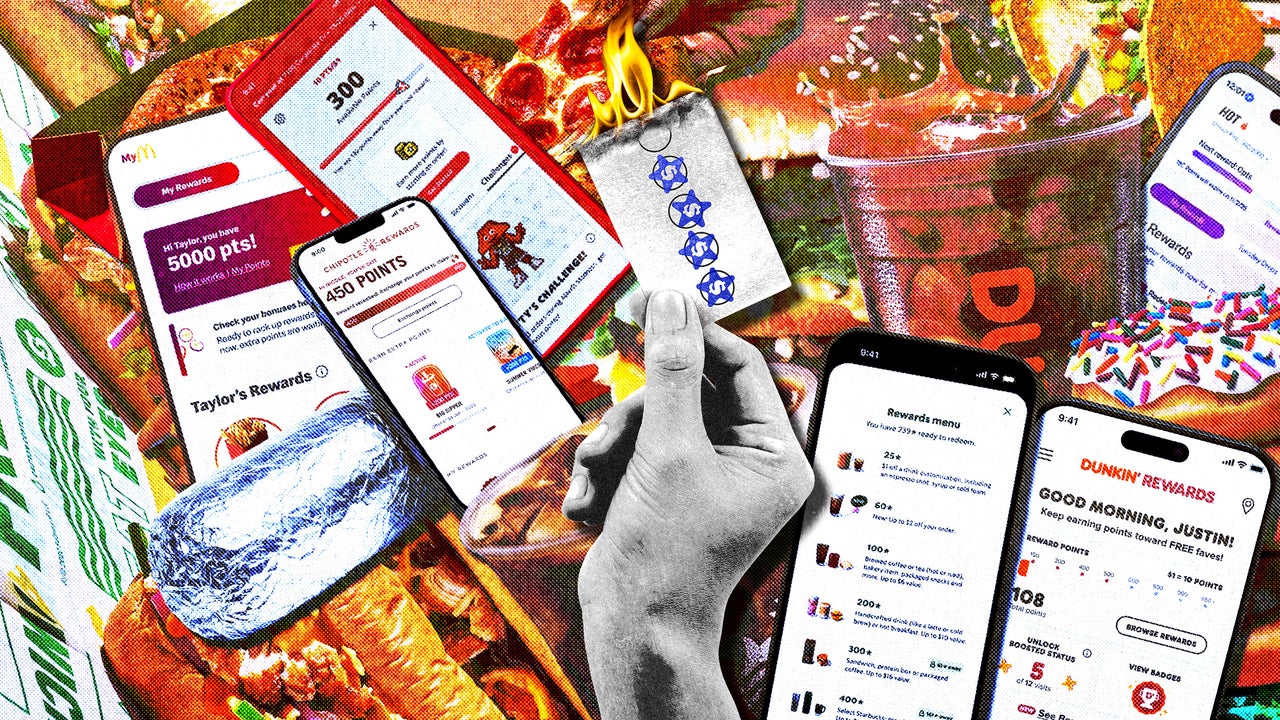
Restaurant chains including Dunkin', Starbucks, McDonald's, Subway, and Panera Bread have recently implemented changes that significantly devalue their customer rewards programs, leading to widespread customer dissatisfaction. Aaron Braun, a Dunkin' customer, experienced a substantial loss of points when the company began canceling rewards older than one year. Braun, who had accumulated over 93,000 Dunkin' points, equivalent to approximately $250 worth of free coffee, intended to use them for his teenage children. However, upon checking the app in the fall, he discovered his balance had been reduced by about 63,800 points due to the new policy.
This trend of rewards program devaluation is not isolated to Dunkin'. Starbucks altered its program, making it more difficult for members to earn "Stars," the currency for rewards. Subway revised its "Sub Club" by removing the free footlong reward and replacing it with "Subway Cash." At McDonald's, earning a free Big Mac now requires 7,000 points, which equates to $70 in spending, a notable increase in the redemption threshold. Panera Bread also introduced a hard cap on its "Unlimited Sip Club" in August. This change prompted prepaid annual members to seek ways to circumvent the program's forced-arbitration clause to pursue legal action.
These changes suggest a strategic shift by major food service corporations to reduce their liabilities associated with accumulated reward points. By devaluing points or imposing stricter redemption rules, companies can decrease the financial obligation represented by these outstanding rewards. This practice, while potentially beneficial for corporate balance sheets, often alienates a customer base that has invested time and money into these loyalty programs. The frustration is amplified for customers like Braun, who actively engage with multiple rewards programs, including those from Hertz, Lowe's, JetBlue, and Hilton, indicating a sophisticated understanding and expectation of program value.
The collective impact of these program adjustments creates a perception among consumers that the rewards ecosystem has become an "elaborate humiliation ritual." Customers who have diligently saved points or met spending thresholds find their efforts diminished by unilateral policy changes. This can erode brand loyalty and lead to a reevaluation of spending habits among consumers who feel their commitment is no longer adequately recognized or rewarded by these established chains. The situation highlights a growing tension between corporate cost-saving measures and the maintenance of positive customer relationships built on the promise of loyalty benefits.
Original source — read the full reporting at the publisher:
Read on Fast CompanyGet the weekly AI digest
AI news + new model releases, weekly. Drafted by our agents, reviewed by humans.