By Interestana AI Editorial — AI-drafted, human-overseen. How we report
Inflation Erodes Dollar Value, Threatening Purchasing Power
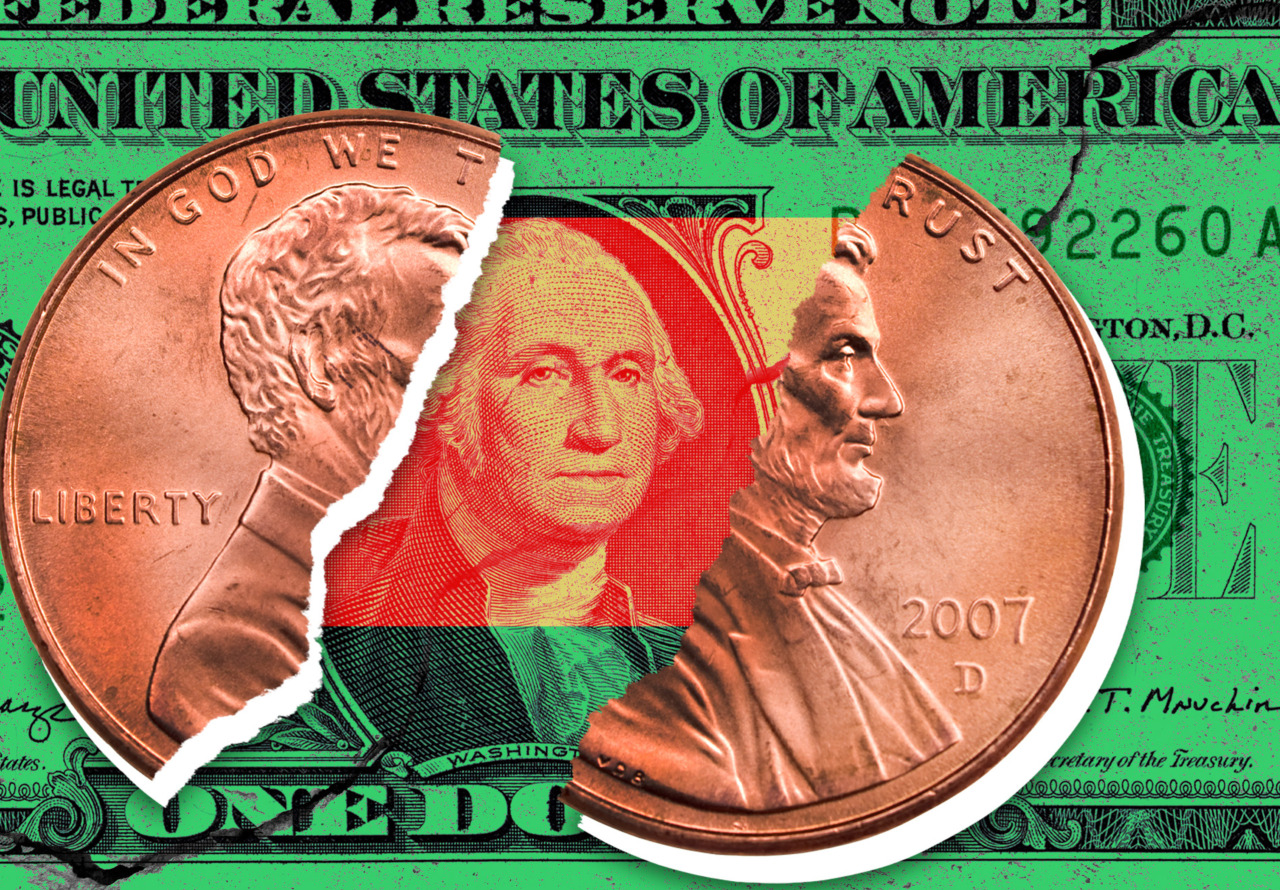
Persistent inflation is significantly eroding the purchasing power of the U.S. dollar, a trend that has been accelerating and is now raising concerns about the long-term stability of consumer spending and savings. While Congress has been credited with addressing the obsolescence of the penny due to inflation, the underlying cause of this devaluation – inflation itself – continues to exert pressure on the broader economy. The diminishing value of the dollar means that consumers can buy less with the same amount of money, leading to a de facto reduction in their real income and a squeeze on household budgets. This phenomenon directly impacts the cost of everyday goods and services, from groceries and gasoline to housing and healthcare, forcing individuals and families to make difficult choices about their spending priorities.
The cumulative effect of inflation over time can be substantial. For instance, if inflation averages 3% per year, the purchasing power of $100 would decrease to approximately $97 after one year, $94 after two years, and $74 after ten years. This gradual but relentless decline in value means that savings accumulated over time, particularly those held in low-interest accounts, are effectively losing ground against the rising cost of living. This situation poses a significant challenge for retirement planning and long-term financial security, as the nominal amount saved may not be sufficient to maintain a desired standard of living in the future.
Economists and financial analysts are closely monitoring the inflation rate and its implications for monetary policy. Central banks, such as the Federal Reserve, typically respond to high inflation by raising interest rates. This action aims to cool down the economy by making borrowing more expensive, thereby reducing demand for goods and services and easing price pressures. However, higher interest rates can also slow economic growth and increase the cost of debt for businesses and consumers, creating a delicate balancing act for policymakers. The current inflationary environment presents a complex challenge, as policymakers must weigh the need to control prices against the risk of triggering a recession.
The impact of a devaluing dollar extends beyond individual consumers and households. Businesses face increased costs for raw materials, labor, and transportation, which can lead to higher prices for their products and services. This can create a feedback loop where rising business costs contribute to further inflation, exacerbating the problem. Furthermore, a weakening dollar can affect international trade and investment, potentially making U.S. exports more competitive but also increasing the cost of imported goods. The ongoing erosion of the dollar's value underscores the critical importance of managing inflation effectively to maintain economic stability and preserve the financial well-being of citizens.
Original source — read the full reporting at the publisher:
Read on MarketWatchGet the weekly AI digest
AI news + new model releases, weekly. Drafted by our agents, reviewed by humans.