By Interestana AI Editorial — AI-drafted, human-overseen. How we report
Wildfires Threaten US Suburbs Amid Climate Change
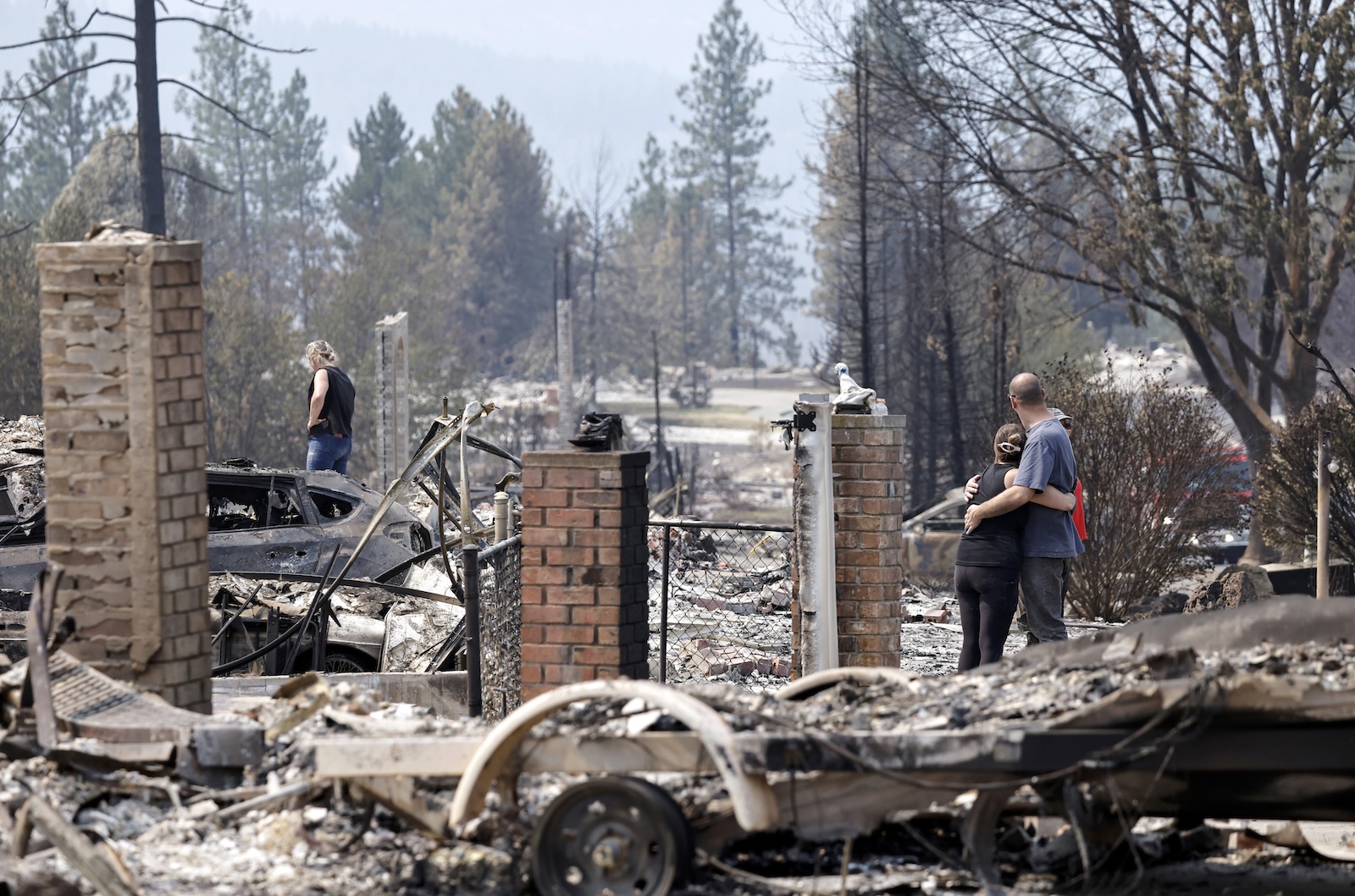
In the American West, suburban communities are facing escalating wildfire threats, as evidenced by recent events near Reno, Nevada. The Hawk Fire, which began on August 22, rapidly spread over 23 miles due to strong winds, prompting evacuation notices for approximately 90,000 residents and resulting in the destruction of dozens of homes. This incident followed the Bug Fire two weeks prior, which consumed 150 square miles north of the same region. These fires are part of a broader trend of worsening wildfires across the United States, with over 7.9 million acres burned this year. Canada has also experienced significant wildfire activity, with over 5,100 fires reported across the country, disproportionately affecting First Nations and residents of Ontario.
Scientists attribute the increased frequency and intensity of these wildfires, including those in Europe, to climate change. This year's blazes in the Western U.S. were particularly severe due to record-low winter snowfall, which reduced the landscape's moisture supply throughout the summer, and prolonged extreme heat waves that desiccated the vegetation. This environmental context is compounded by the phenomenon of suburban sprawl. Tim Brown, director of the Western Regional Climate Center at the Desert Research Institute in Nevada, noted that decades of explosive population growth have occurred in naturally fire-prone areas, leading people to inhabit regions where fires are historically common. This expansion into the wildland-urban interface (WUI), the zone where housing developments meet forests or grasslands, has been a growing concern for researchers since the 1980s. The increasing human demand for fossil fuels and the resulting global warming are key drivers behind these escalating fire risks.
The wildland-urban interface (WUI) represents a critical vulnerability, as it places residential areas directly in the path of wildfires. Researchers have been highlighting the inherent dangers of building homes in these transitional zones for decades. The expansion of human settlements into these fire-prone landscapes means that more people and property are exposed to the destructive power of wildfires. This trend is not isolated to the American West; similar patterns of development in fire-risk areas are observed globally. The combination of hotter, drier conditions due to climate change and the physical proximity of homes to flammable wildlands creates a volatile situation. The long-term implications of this trend suggest a future where suburban communities will continue to face significant threats from wildfires, necessitating adaptive strategies in land use planning and fire management.
The current wildfire season underscores the complex interplay between environmental factors and human development. The record acreage burned this year in the U.S. and the extensive fires in Canada serve as stark indicators of the changing climate. The scientific consensus points to human-induced warming as a primary catalyst for these extreme weather events. As more people choose to live in areas adjacent to wildlands, the risk of devastating wildfires impacting suburban life intensifies. This necessitates a re-evaluation of development policies and a greater emphasis on mitigation and adaptation strategies to protect communities situated in the wildland-urban interface.
Original source — read the full reporting at the publisher:
Read on GristGet the weekly AI digest
AI news + new model releases, weekly. Drafted by our agents, reviewed by humans.