By Interestana AI Editorial — AI-drafted, human-overseen. How we report
Private Equity Firm Set to Receive $900M for Methane Terminal After Alleged $1M Bribe to Trump
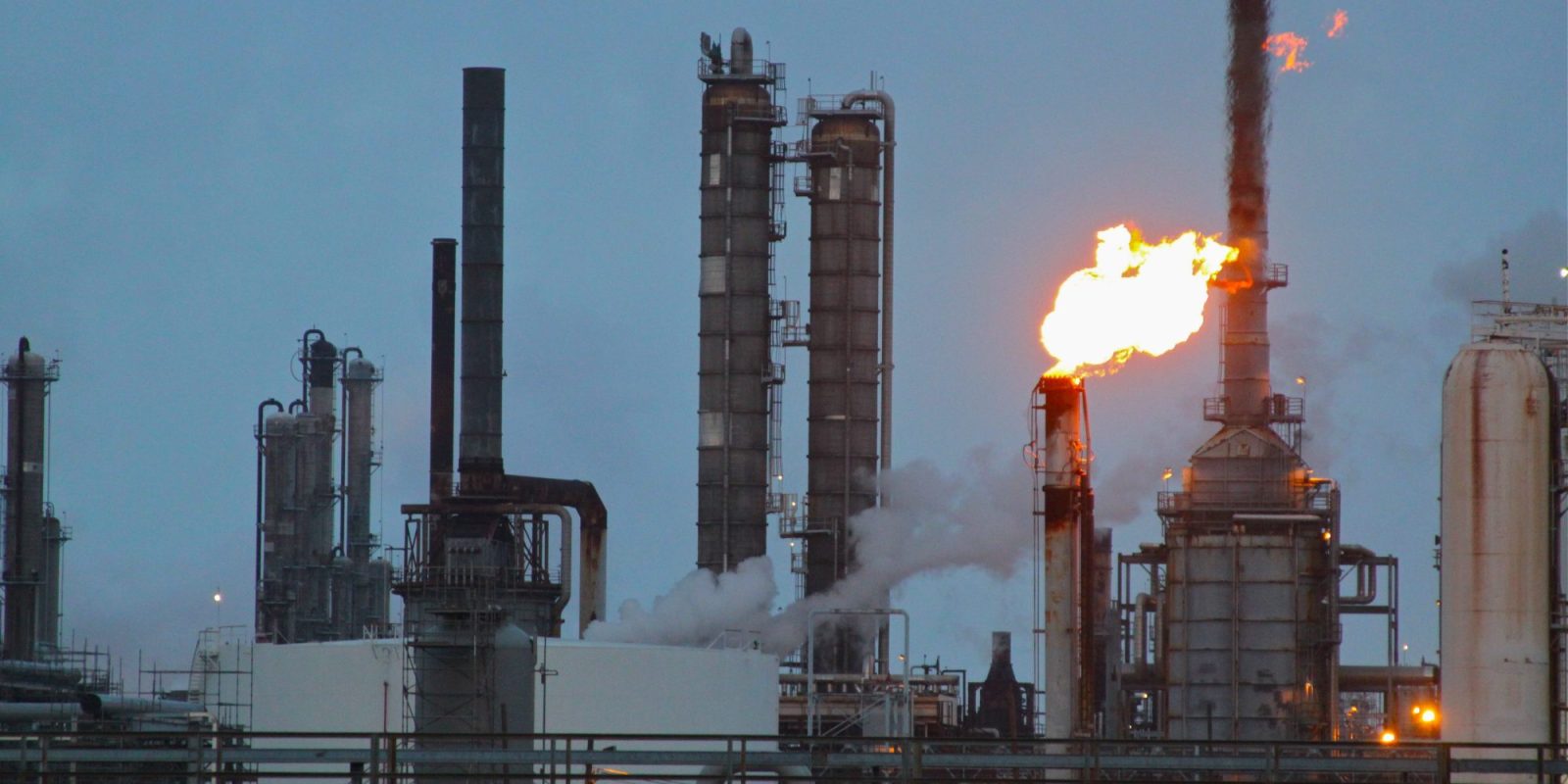
A significant financial transaction involving a private equity firm, reportedly connected to an Australian-American billionaire, is drawing scrutiny. The firm is slated to receive $900 million for its stake in a methane gas terminal project located in Louisiana. This substantial sum follows an alleged $1 million bribe made to Donald Trump, the former President of the United States and the originator of the deal in question. The transaction is intrinsically linked to the Interior Department's recent "wind buyout," which has been characterized as illegal.
The private equity firm in question is identified as the largest beneficiary of this Interior Department action. The $900 million allocation is specifically earmarked for the development and operation of the methane terminal, underscoring a direct financial incentive tied to the alleged political contribution. This situation raises serious concerns about the integrity of government procurement processes and the potential for undue influence by private capital in energy policy decisions.
Donald Trump, as the 45th President of the United States (2017-2021), held significant authority over federal land and energy policy. His administration was known for its focus on deregulation and promoting domestic fossil fuel production. The "wind buyout" mentioned likely refers to a specific policy or transaction under his administration or its immediate aftermath that benefited certain energy interests. The Interior Department, under presidential authority, oversees vast federal lands and resources, including those relevant to energy extraction and development.
The Australian-American billionaire's involvement, through his private equity firm, highlights the international dimension of these financial dealings. Private equity firms are investment management companies that pool capital from institutional investors, such as pension funds and endowments, and high-net-worth individuals to invest in private companies or to acquire public companies. Their objective is typically to generate high returns through strategic improvements, operational efficiencies, or financial restructuring, often with a view to selling the investment at a profit within a defined timeframe.
The methane gas terminal in Louisiana represents a significant investment in fossil fuel infrastructure. Methane, the primary component of natural gas, is a potent greenhouse gas with a warming potential far greater than carbon dioxide over shorter timeframes. The development of such terminals is crucial for the export of liquefied natural gas (LNG), a sector that has seen considerable growth but also faces criticism from environmental advocates due to its climate impact.
This case brings to the forefront concerns about the intersection of political influence, private capital, and the development of critical energy infrastructure. The alleged bribe, if proven, would constitute a serious breach of public trust and potentially violate campaign finance laws. The $900 million figure is a considerable sum, and understanding the justification and approval process for this investment is paramount. Transparency and accountability in such large-scale energy projects are essential for maintaining public confidence and ensuring fair market practices. The alleged actions could have significant implications for future energy policy and the regulation of private equity within the energy sector, particularly in the context of fossil fuels.
Original source — read the full reporting at the publisher:
Read on ElectrekGet the weekly AI digest
AI news + new model releases, weekly. Drafted by our agents, reviewed by humans.