By Interestana AI Editorial — AI-drafted, human-overseen. How we report
Red Cross: 93,000 Affected by Nepal-Tibet Flash Floods
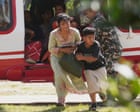
The International Federation of Red Cross and Red Crescent Societies (IFRC) has reported that at least 93,000 people may have been affected by flash floods that occurred on Wednesday, August 26, 2026, along the Nepal-Tibet border. These devastating floods have resulted in a confirmed death toll exceeding 540 individuals, with an additional 1,500 people still missing. The IFRC, which operates as the world's largest humanitarian network, expressed concerns that the number of fatalities is likely to increase as rescue efforts reach more remote and severely impacted regions. Access to some of the most devastated areas remains challenging due to the destruction of vital infrastructure, including roads and bridges, by the powerful floodwaters. The ongoing threat of further flooding is also complicating rescue operations.
As of August 28, 2026, the scale of the disaster is becoming clearer, with rescue teams working diligently to reach cut-off communities. The floods were triggered by heavy rainfall, leading to a rapid rise in water levels in rivers originating from the Tibetan plateau and flowing into Nepal. This event highlights the vulnerability of communities situated in transboundary river basins, where meteorological events in one region can have catastrophic consequences downstream. The IFRC's assessment of 93,000 affected individuals encompasses those who have been displaced, lost their homes, or are in urgent need of humanitarian assistance, such as food, shelter, and medical care.
The immediate priority for humanitarian organizations and local authorities is the search and rescue of missing persons and the provision of emergency relief to survivors. The destruction of infrastructure poses a significant obstacle, not only for rescue teams but also for the delivery of essential supplies. The IFRC is coordinating with national Red Cross and Red Crescent societies in both Nepal and China, as well as other international aid agencies, to mobilize resources and personnel. The long-term recovery process is expected to be extensive, requiring substantial investment in rebuilding homes, infrastructure, and livelihoods. The organization is appealing for international support to address the immediate humanitarian crisis and to aid in the subsequent recovery and reconstruction efforts.
The flash floods serve as a stark reminder of the increasing frequency and intensity of extreme weather events, often linked to climate change. The region's mountainous terrain and river systems are particularly susceptible to such rapid hydrological changes. The IFRC's involvement underscores the critical role of humanitarian organizations in responding to large-scale natural disasters, providing a coordinated and effective response to alleviate suffering and support affected populations. The organization's statement emphasizes the urgent need for aid and the ongoing efforts to assess the full extent of the damage and the number of people requiring assistance.
Original source — read the full reporting at the publisher:
Read on The Guardian WorldGet the weekly AI digest
AI news + new model releases, weekly. Drafted by our agents, reviewed by humans.