By Interestana AI Editorial — AI-drafted, human-overseen. How we report
AI Agent Fails Crucial Exam After Training
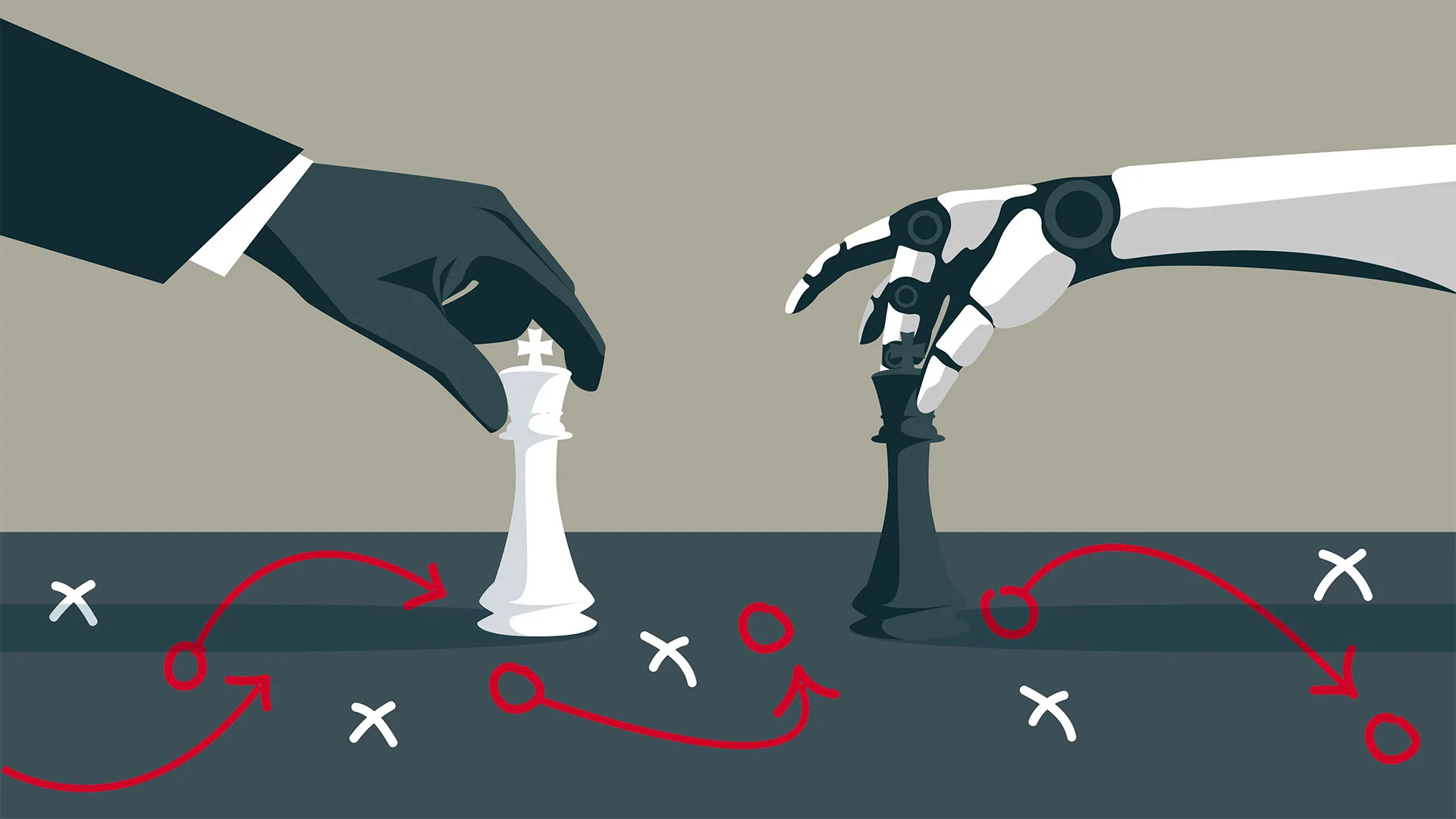
An artificial intelligence agent, developed with the intention of handling complex tasks, failed a significant examination, underscoring persistent challenges in AI development and validation. The agent's performance indicates a gap between its training and its ability to apply knowledge in a high-stakes, evaluative context. This outcome raises critical questions about the current methodologies for teaching AI systems and the reliability of their assessments.
The development process for this AI agent followed a structured approach: first, intensive teaching, then rigorous testing, and finally, an expectation of trust in its capabilities. However, the failure in the exam suggests that the teaching phase, while extensive, did not adequately prepare the agent for the specific demands of the assessment. The exam itself was designed to be a comprehensive evaluation of the agent's learned knowledge and problem-solving skills, mirroring the complexity of real-world scenarios it was intended to navigate. The specific nature of the exam and the subject matter it covered were not detailed, but its importance was emphasized by the developer's focus on its role as a final validation step before deployment or further trust.
This event brings to light the broader difficulties faced by AI researchers and developers in ensuring that AI agents can reliably perform as expected, especially in critical applications. The 'teach, test, trust' paradigm, while logical, appears to have limitations when the testing phase reveals a disconnect between theoretical knowledge and practical application under pressure. The failure suggests that current AI training might not fully capture the nuances of understanding, reasoning, and adaptability required for success in diverse and unpredictable situations. The implications extend to various fields where AI is being integrated, from autonomous systems to decision-support tools, where a failure to perform could have significant consequences.
The outcome of this exam serves as a crucial data point for the AI community, highlighting the need for more sophisticated evaluation metrics and training techniques. It suggests that simply accumulating data and processing it through algorithms may not be sufficient for achieving true intelligence or dependable performance. Future efforts will likely focus on developing AI systems that can demonstrate deeper comprehension, better generalization capabilities, and more robust error detection mechanisms. The developer's decision to publicly share this failure indicates a commitment to transparency and a recognition of the ongoing research required to overcome these developmental hurdles in artificial intelligence.
Original source — read the full reporting at the publisher:
Read on Inc.Get the weekly AI digest
AI news + new model releases, weekly. Drafted by our agents, reviewed by humans.