By Interestana AI Editorial — AI-drafted, human-overseen. How we report
Tesla Unveils Cybercab, Facing Fierce Autonomous Competition
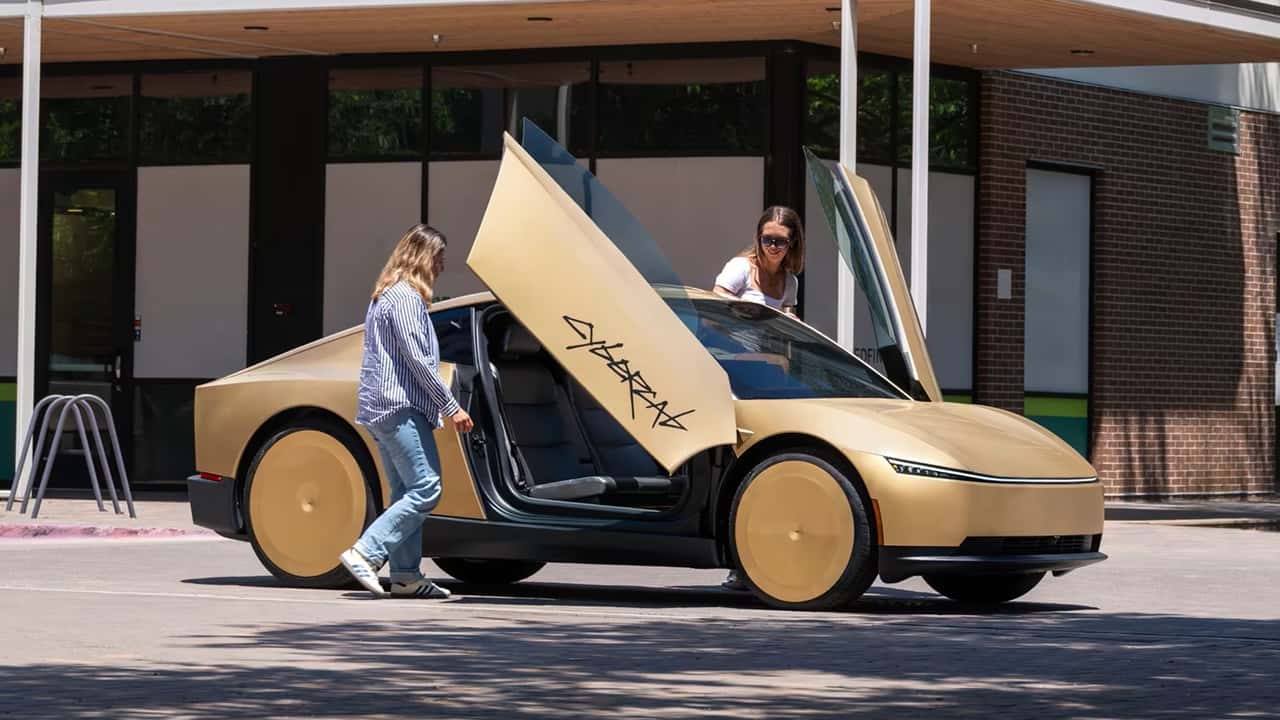
Tesla officially unveiled its Cybercab, marking a significant milestone after a decade of promises regarding self-driving vehicle technology. The launch positions Tesla to compete in the burgeoning autonomous ride-hailing market, a sector that has seen substantial development from both established automotive manufacturers and dedicated technology firms. While Tesla has been a prominent voice in the autonomous driving conversation, its competitors have not been idle, investing heavily and making considerable progress in developing their own autonomous solutions.
The Cybercab's introduction comes at a time when the competitive landscape for autonomous vehicles is intensifying. Companies like Waymo, Google's self-driving car project, have been operating commercial robotaxi services in select cities for years, accumulating millions of miles of real-world driving experience. Waymo has expanded its service areas and fleet size, demonstrating a mature operational capability. Cruise, General Motors' autonomous vehicle subsidiary, has also been a major player, though it faced significant setbacks and operational pauses following safety incidents. These established players represent a formidable challenge for Tesla's entry into the market.
Beyond the established players, a wave of startups and traditional automakers are also pushing forward with autonomous technology. Companies such as Aurora, Zoox (acquired by Amazon), and Motional (a joint venture between Hyundai and Aptiv) are developing their own autonomous driving systems and vehicles, often focusing on specific niches or geographic regions. Traditional automakers are also integrating advanced driver-assistance systems (ADAS) and exploring autonomous capabilities, either through in-house development or strategic partnerships. The race to deploy safe, reliable, and scalable autonomous ride-hailing services is characterized by rapid technological advancements, significant capital investment, and a complex regulatory environment.
Tesla's approach to autonomous driving has primarily centered on its "Full Self-Driving" (FSD) software, which relies on cameras and neural networks, eschewing the lidar sensors commonly used by many competitors. The Cybercab is expected to leverage this FSD technology, aiming to provide a fully autonomous driving experience for passengers. The success of the Cybercab will likely depend not only on its technological capabilities but also on its ability to navigate the intricate regulatory approvals required for widespread autonomous operation and to achieve cost-effectiveness and scalability in a market that is still maturing. The competition's progress suggests that Tesla will need to demonstrate a clear advantage in safety, reliability, and user experience to capture a significant share of the future autonomous mobility market.
Original source — read the full reporting at the publisher:
Read on InsideEVsGet the weekly AI digest
AI news + new model releases, weekly. Drafted by our agents, reviewed by humans.