By Interestana AI Editorial — AI-drafted, human-overseen. How we report
AI Expands Beyond Screens Into Physical World Applications
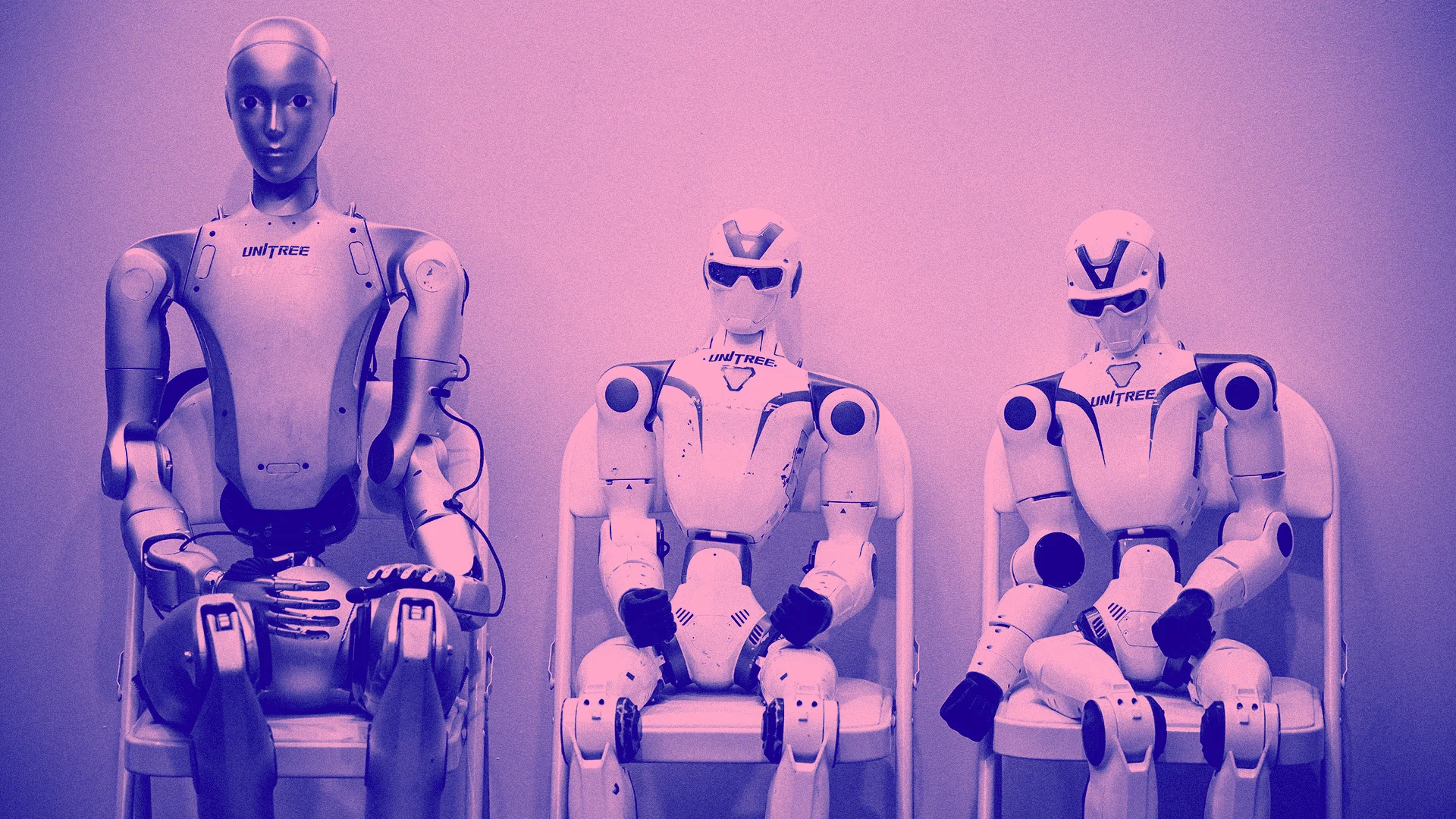
Artificial intelligence is rapidly transitioning from purely digital applications to influencing and transforming the physical world. This expansion is evident across various sectors, including robotics, manufacturing, and security, signaling a significant shift in how AI is deployed and its tangible impact on daily life and industry. The development signifies a move beyond screens and data centers, bringing AI capabilities into tangible, real-world operations.
In the realm of robotics, AI is enabling more sophisticated and autonomous systems. Robots equipped with advanced AI algorithms can now perform complex tasks that were previously impossible, such as intricate assembly line work, delicate surgical procedures, and navigation in unpredictable environments. This enhanced capability is driven by breakthroughs in machine learning, computer vision, and sensor fusion, allowing robots to perceive, interpret, and interact with their surroundings with unprecedented accuracy and adaptability. Companies are investing heavily in AI-powered robotics to boost efficiency, reduce human error, and tackle dangerous or repetitive jobs, thereby reshaping industrial and service landscapes.
Manufacturing is another key area where AI is making a profound physical impact. Smart factories are leveraging AI for predictive maintenance, quality control, and process optimization. By analyzing vast amounts of data from sensors on machinery, AI systems can anticipate equipment failures before they occur, minimizing downtime and costly repairs. Furthermore, AI-driven computer vision systems are being used to inspect products for defects with greater speed and precision than human inspectors, ensuring higher quality standards. AI is also optimizing production schedules and resource allocation, leading to more efficient and sustainable manufacturing processes. This integration is not only increasing productivity but also paving the way for more customized and on-demand production models.
Security applications are also benefiting from AI's physical world integration. AI-powered surveillance systems can now analyze video feeds in real-time to detect anomalies, identify potential threats, and alert security personnel. This includes facial recognition, behavioral analysis, and object detection, which enhance the ability to monitor large areas and respond swiftly to incidents. In physical security, AI is being used in access control systems, drone-based surveillance, and even in the development of autonomous security robots. The goal is to create more proactive and intelligent security measures that can operate continuously and effectively, providing a safer environment in both public and private spaces. The convergence of AI with physical infrastructure is thus creating a new paradigm for how we interact with and manage the world around us.
Original source — read the full reporting at the publisher:
Read on Inc.Get the weekly AI digest
AI news + new model releases, weekly. Drafted by our agents, reviewed by humans.