By Interestana AI Editorial — AI-drafted, human-overseen. How we report
Mysterious Wildflower Meadow Emerges in North Norfolk Field
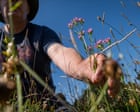
A small, boggy field in north Norfolk, England, has spontaneously transformed into a vibrant wildflower meadow, showcasing remarkable biodiversity with over 150 recorded plant species. This transformation is particularly striking given that 21 years prior, the field, known as Sayer’s Old Meadow, supported only one plant species: oilseed rape. Farmer Derek Sayer allowed the field to grow wild, implementing just a single annual hay-cut, a practice that has apparently fostered this ecological resurgence. The meadow now teems with life, featuring a variety of wildflowers such as common centaury, yellow rattle, marsh orchids, and common spotted orchids. These plants attract a rich insect population, with hoverflies and butterflies observed in abundance. The area also provides habitat for bird species, including quail and whitethroats, which call from the dense surrounding hedges. The emergence of such a diverse ecosystem from a monoculture of oilseed rape in just over two decades highlights the resilience and self-organizing capabilities of nature when given the opportunity. The specific conditions and mechanisms that led to this rapid and extensive seeding of diverse wildflower species remain a subject of interest, with the meadow being described as 'self-willed.' This phenomenon underscores the potential for ecological recovery and the creation of valuable habitats through minimal human intervention, such as the single annual hay-cut implemented by Sayer. The success of Sayer’s Old Meadow serves as a compelling example of how allowing natural processes to unfold can lead to significant biodiversity gains, offering a sense of hope for ecological restoration efforts. The field's transformation from a single-crop environment to a complex habitat rich in native flora and fauna demonstrates the power of natural regeneration. The presence of specific orchid species and the attraction of various pollinators and birds indicate a healthy and functioning ecosystem. This case study provides valuable insights for land management practices aimed at enhancing biodiversity and creating resilient natural spaces. The narrative surrounding the meadow, with its unexpected and vibrant bloom, has been met with positive sentiment, with one observer quoted as saying, 'I love it. It’s hope.' This sentiment reflects the broader appeal of witnessing nature's ability to regenerate and flourish, offering a positive outlook on environmental stewardship and the potential for natural landscapes to recover and thrive.
Original source — read the full reporting at the publisher:
Read on The Guardian EnvironmentGet the weekly AI digest
AI news + new model releases, weekly. Drafted by our agents, reviewed by humans.