By Interestana AI Editorial — AI-drafted, human-overseen. How we report
Wild Beaver Kits Born in Norfolk After 500 Years
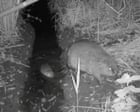
Wild beaver kits have been born in Norfolk, marking the first occurrence in more than 500 years. These two newborns are the offspring of a pair of free-living beavers that mysteriously appeared at the Pensthorpe nature reserve, located near Fakenham, in December. The arrival of these beavers and their subsequent successful breeding represents a significant ecological event for the region, reintroducing a species that has been absent from the Norfolk landscape for over five centuries. Beavers are known as ecosystem engineers, and their presence can have profound positive impacts on wetland habitats. They create dams that form ponds, which in turn create diverse aquatic environments supporting a wide array of plant and animal life, including insects, amphibians, fish, and birds. Their dam-building activities also help to slow water flow, which can reduce flood risk downstream and improve water quality by trapping sediment and pollutants. Furthermore, their foraging habits, which involve felling trees and shrubs, create open areas and snags that provide habitat for other species. The Pensthorpe nature reserve, where the beavers have settled, is a 700-acre site dedicated to conservation and education, housing a variety of native and exotic birds, mammals, and plants. The reserve's management will likely be closely monitoring the beaver family to understand their impact on the local ecosystem and to ensure their continued well-being. The reintroduction of beavers, whether through natural colonisation or managed programs, is a growing trend in the UK and Europe as conservationists seek to restore natural processes and enhance biodiversity. Historically, beavers were widespread across Britain but were hunted to extinction for their fur, meat, and castoreum, a secretion used in perfumes and medicines. Efforts to re-establish them have been underway in various locations, with mixed success and ongoing debate regarding their management and potential impacts on agriculture and land use. The successful breeding at Pensthorpe provides a hopeful sign for the species' return to the English countryside and highlights the potential for nature recovery in areas where human activity has historically led to species loss. The exact circumstances of the adult beavers' arrival remain a mystery, as no official reintroduction program was in place at Pensthorpe prior to their appearance. This natural colonisation underscores the resilience of wildlife and the potential for species to recolonise suitable habitats when conditions allow. The birth of the kits is a testament to the suitability of the reserve's environment for supporting beaver life, including adequate food sources and water availability for dam construction and raising young. The long absence of beavers from Norfolk means that the local ecosystem has evolved without their influence, and their reintroduction will likely lead to observable changes over time. Conservationists will be keen to document these changes and to learn from this unexpected natural rewilding event.
Original source — read the full reporting at the publisher:
Read on The Guardian WorldGet the weekly AI digest
AI news + new model releases, weekly. Drafted by our agents, reviewed by humans.