By Interestana AI Editorial — AI-drafted, human-overseen. How we report
1,000 Wild Little Penguins Vaccinated Against Bird Flu
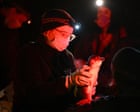
Over 1,000 little penguins on Phillip Island, Victoria, have received their initial doses of a bird flu vaccine, marking what is believed to be the largest vaccination program ever undertaken for wild birds. Catherine Basterfield, the chief executive of Phillip Island Nature Parks, confirmed that the vaccinations commenced early last week and are currently being intensified. This initiative aims to protect the iconic penguin population from the devastating effects of avian influenza, a highly contagious disease that has impacted bird populations globally.
The decision to vaccinate the penguins comes amid increasing concerns over the spread of highly pathogenic avian influenza (HPAI) strains, such as H5N1, which have led to significant mortality events in wild bird populations and commercial poultry farms worldwide. While the specific strain of bird flu posing a threat to the Phillip Island penguins is not detailed, the proactive measure underscores the vulnerability of wildlife to such diseases. The program's scale is unprecedented, presenting unique logistical challenges in administering vaccines to a wild, mobile population.
Phillip Island Nature Parks, the organization overseeing the vaccination effort, is a prominent conservation body dedicated to the protection and management of the island's unique wildlife, including its substantial colony of little penguins. The park is a significant tourist attraction, drawing visitors to witness the nightly penguin parade, where the penguins return from the sea to their burrows. The health of this population is therefore crucial not only for ecological balance but also for the local economy. The vaccination strategy involves careful planning to minimize stress on the birds and ensure effective delivery of the vaccine.
Administering vaccines to wild animals, especially small seabirds like little penguins, is described as "really tricky" due to their elusive nature, habitat, and the need for specialized techniques. The exact methodology employed for this large-scale vaccination is not fully elaborated in the provided text, but it is implied to be a complex operation requiring expertise in wildlife handling and veterinary science. The success of this program could set a precedent for future wildlife disease management strategies, particularly in the face of emerging infectious diseases. The long-term implications for the health and resilience of the Phillip Island little penguin population are anticipated to be significant, offering a critical layer of defense against a potentially catastrophic disease outbreak.
Original source — read the full reporting at the publisher:
Read on The Guardian WorldGet the weekly AI digest
AI news + new model releases, weekly. Drafted by our agents, reviewed by humans.