By Interestana AI Editorial — AI-drafted, human-overseen. How we report
Pandemic Education Policies Worsened Learning Loss
The COVID-19 pandemic caused unprecedented global disruptions to education, leading to learning losses that continue to affect students' future job prospects, earning power, and societal integration. While initial analyses of this learning crisis primarily focused on the duration of school closures, a more granular examination of testing data reveals that the causes of pandemic-era learning declines are far more complex and not solely correlated with shutdown lengths. Many policies implemented during the pandemic, intended to preserve equity and student well-being during remote learning, paradoxically aggravated learning losses and extended their impact even after schools reopened.
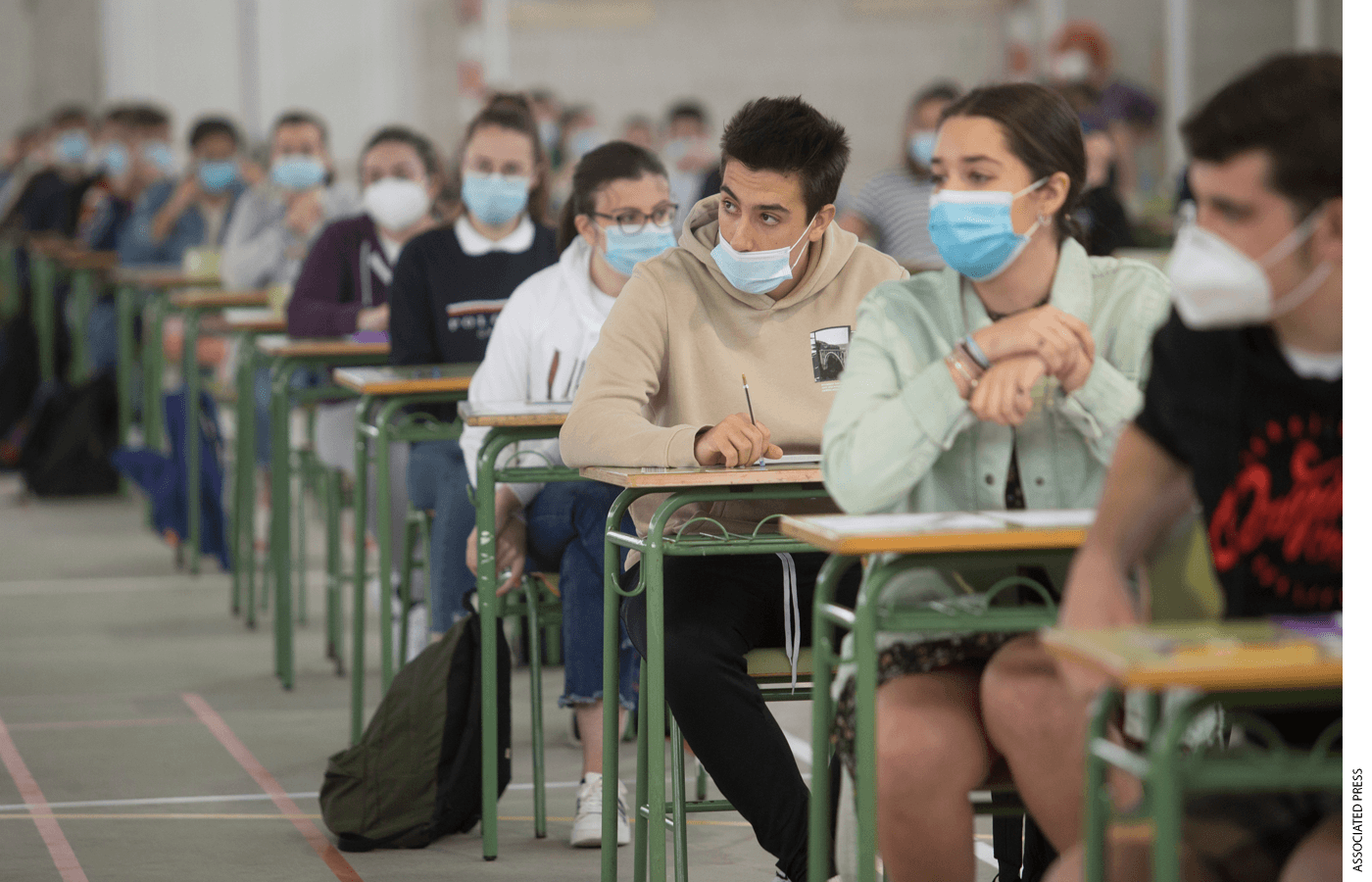
These policies often reinforced progressive educational approaches that prioritize equity as the primary goal, view student assessments as discriminatory, and emphasize the acquisition of "competencies" over academic knowledge and skills. Critics argue that this approach leads to a lowering of academic standards and hinders students' ability to develop foundational knowledge. The article points to the University Entrance Examinations in Viveiro, Galicia, Spain, on July 7, 2020, as an example of an exception to a nationwide shutdown, highlighting the varied responses to the crisis. The author contends that these policies, while perhaps well-intentioned, ultimately undermined educational objectives by de-emphasizing academic rigor and standardized assessment.
The extended impact of these policies suggests a deeper issue than simply the time students spent out of physical classrooms. The shift in educational philosophy, driven by a focus on equity and competencies, may have inadvertently created a less effective learning environment. This has significant implications for how educators and policymakers should approach future educational challenges, emphasizing the need for evidence-based strategies that prioritize academic achievement alongside equity and well-being. The failure to accurately understand and address the multifaceted causes of pandemic learning loss risks perpetuating these negative outcomes for an entire generation of students.
The analysis suggests that a critical re-evaluation of educational priorities and policy implementation is necessary. The focus on equity, while important, should not come at the expense of core academic learning. The article implies that a balanced approach is needed, one that supports all students effectively without compromising the acquisition of essential knowledge and skills. The long-term consequences of these educational missteps could be substantial, affecting not only individual students but also the broader societal and economic landscape.
Original source — read the full reporting at the publisher:
Read on Education NextGet the weekly AI digest
AI news + new model releases, weekly. Drafted by our agents, reviewed by humans.