By Interestana AI Editorial — AI-drafted, human-overseen. How we report
Universities' Political and Corporate Entanglements Detailed
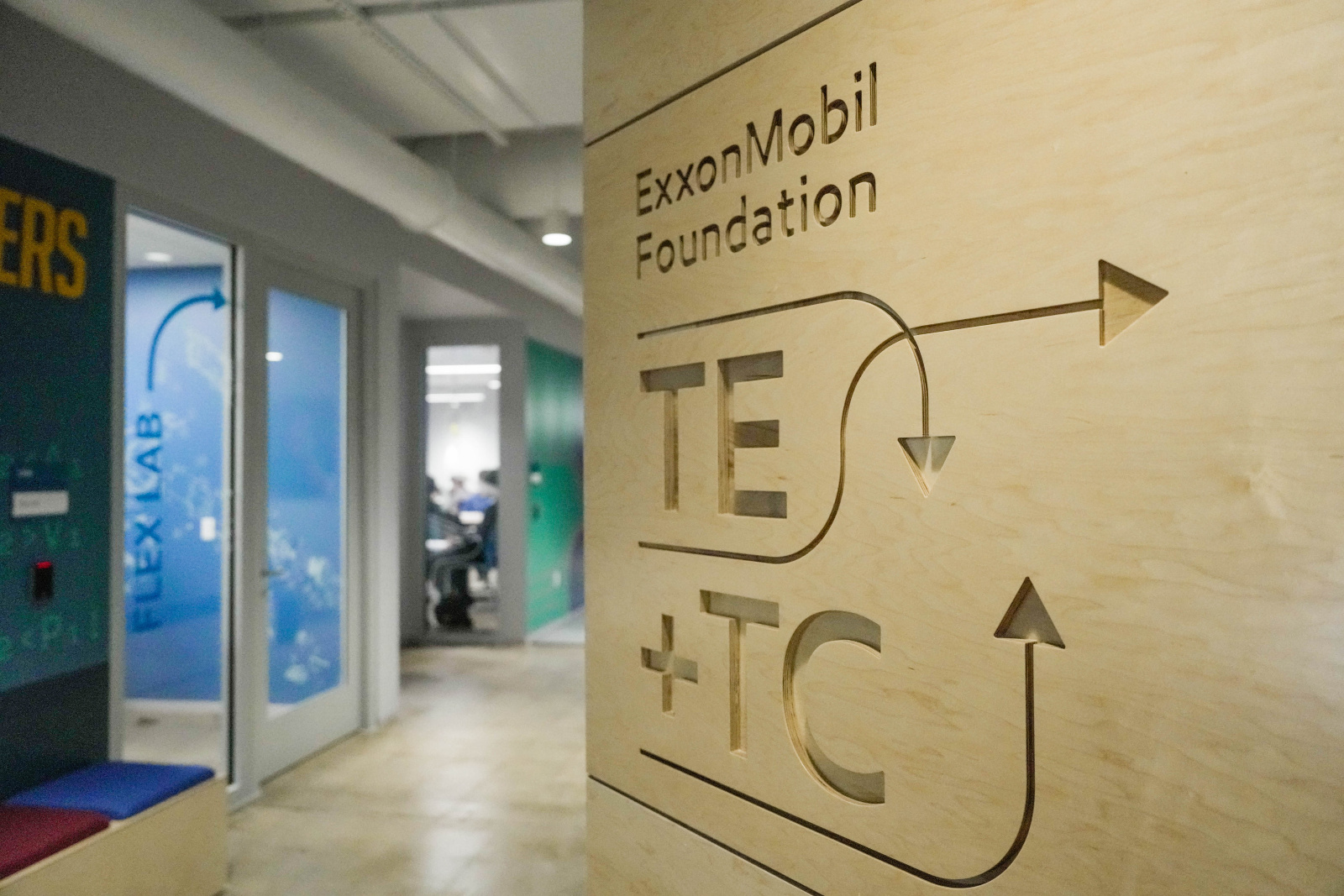
Elite universities in the United States have become increasingly entangled in political and corporate influence, a trend exacerbated by recent federal funding freezes and investigations under President Donald Trump's administration. These actions, which began upon Trump's return to office in January, have led to billions of dollars in federal funding being withheld or withdrawn from top institutions. The administration has leveraged this financial power to exert influence over university admissions, hiring practices, and diversity, equity, and inclusion (DEI) policies. The consequences for academic autonomy have been severe, with the Academic Freedom Index indicating a sharp decline in institutional autonomy in the U.S. last year, a descent steeper than that observed in countries like Hungary, Turkey, and India. A new study published in the journal Energy Research & Social Science argues that this recent political pressure did not emerge in a vacuum. Researchers demonstrate how corporate interests, including those from the oil industry, have been strategically influencing universities for at least the past fifty years. This influence was primarily exerted through substantial donations, which were used to shape research agendas and priorities. The study posits that this long-standing pattern of corporate influence weakened universities' inherent defenses against external pressures, thereby paving the way for the more recent political attacks. Noel Healy, the lead author of the paper and a professor of geography and sustainability at Salem State University, explained in an email that "private donors had been practicing a smaller version of the same playbook for years by offering funding in exchange for a say over how university programs are run." This practice, termed "corporate capture," grants donors significant sway over critical academic decisions, including faculty hiring, the selection of research topics, and the content of curricula. The study traces the origins of this strategy back to a 1971 memo penned by Lewis F. Powell Jr., a year before his appointment to the Supreme Court. In this memo to the U.S. Chamber of Commerce, Powell advocated for the defense of "free enterprise" by funding scholars to critically evaluate textbooks and by urging university boards of trustees to address what he perceived as an "imbalance" caused by an overabundance of liberal faculty members. The research further identifies conservative foundations such as Olin, Scaife, Koch, and Bradley as key drivers in the corporate capture of higher education. These foundations, established by prominent industrialists, played a significant role in shaping the academic landscape through their substantial financial contributions and the conditions attached to them, thereby creating a fertile ground for subsequent political interference.
Original source — read the full reporting at the publisher:
Read on GristGet the weekly AI digest
AI news + new model releases, weekly. Drafted by our agents, reviewed by humans.