By Interestana AI Editorial — AI-drafted, human-overseen. How we report
HSIs Can Thrive Despite Federal Funding Cuts
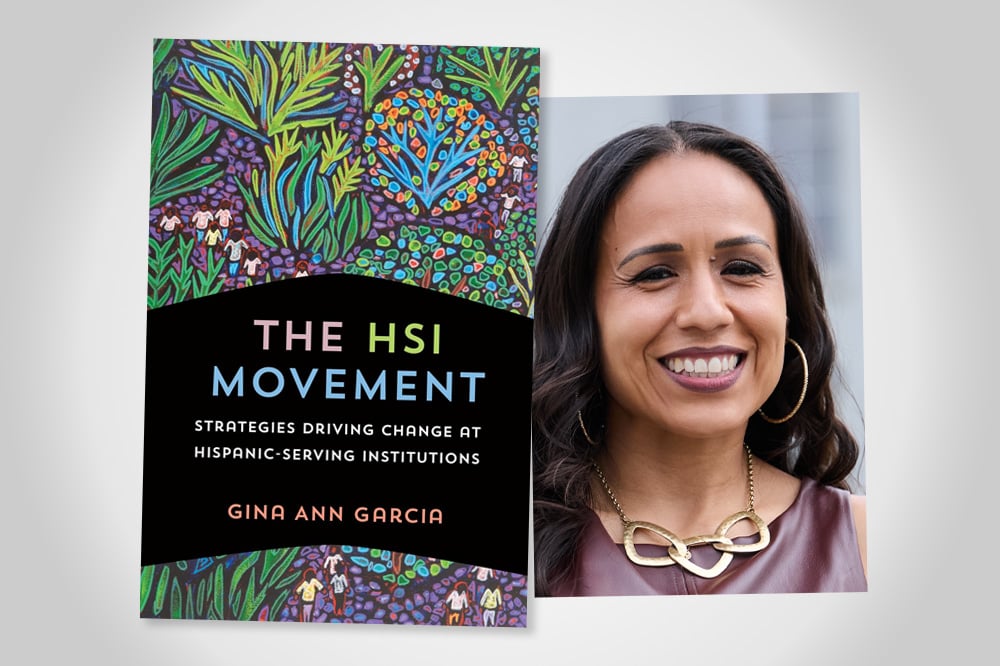
Hispanic-Serving Institutions (HSIs) can navigate potential long-term challenges stemming from federal funding reductions by strategically prioritizing the comprehensive support of Latino students, rather than focusing solely on enrollment numbers. This approach, advocated by Gina Ann Garcia, author of "The HSI Movement," suggests that a commitment to serving the unique needs of Latino students is paramount for the sustained success and growth of these institutions. Garcia's perspective emphasizes a shift in institutional philosophy, moving from a quantitative measure of student intake to a qualitative focus on student development, retention, and graduation.
Garcia's insights highlight that HSIs, which are defined by the U.S. Department of Education as institutions of higher education with a significant concentration of Hispanic students, often face unique funding dynamics. Federal funding, particularly through programs like Title V, has historically played a crucial role in supporting the infrastructure, faculty development, and student services that are vital for HSIs to effectively serve their student populations. Reductions or uncertainties in this federal support can create significant operational and strategic hurdles. However, Garcia posits that by embedding a mission of service to Latino students at the core of their operations, HSIs can build resilience and foster an environment where these students are not just enrolled but are empowered to succeed academically and professionally.
This strategic reorientation involves a deep understanding of the socio-economic, cultural, and academic backgrounds of Latino students. It requires institutions to develop targeted academic support programs, mentorship initiatives, and culturally relevant pedagogical approaches. Furthermore, HSIs must cultivate leadership that is not only committed to the enrollment of Latino students but is also dedicated to creating pathways for their advancement. This includes fostering strong connections with community organizations, developing robust alumni networks, and actively seeking diverse funding streams beyond federal appropriations. By demonstrating a tangible impact on student success, HSIs can strengthen their case for continued support from both public and private sectors, thereby mitigating the risks associated with fluctuating federal funding.
The long-term viability of HSIs, therefore, hinges on their ability to cultivate a culture of intentional service. This means going beyond simply meeting enrollment targets and actively working to ensure that Latino students have access to the resources, guidance, and opportunities necessary to thrive. Such a commitment can lead to improved graduation rates, increased post-graduation employment or further education, and a stronger overall institutional reputation. As HSIs look to the future, embracing this student-centered philosophy will be key to their enduring mission and their capacity to serve as engines of social and economic mobility for the Latino community.
Original source — read the full reporting at the publisher:
Read on Inside Higher EdGet the weekly AI digest
AI news + new model releases, weekly. Drafted by our agents, reviewed by humans.