By Interestana AI Editorial — AI-drafted, human-overseen. How we report
Voynich Manuscript May Be Misread Due to Binding
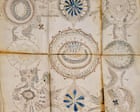
Researchers have proposed a novel theory suggesting that the Voynich manuscript, a medieval codex renowned for its indecipherable script and enigmatic illustrations, may have been misinterpreted for centuries due to its pages being bound in the incorrect sequence. This manuscript, dating back to the early 15th century, features a unique script that has resisted all attempts at decryption by cryptographers and linguists, alongside drawings of plants, astronomical charts, and nude figures. Its contents have been speculated to be a lost language, a musical composition, a medical text, or even an elaborate hoax.
The new research, published by a team of scholars, posits that the current order of the manuscript's pages does not reflect its original intended structure. They argue that if the pages are reordered according to a proposed sequence, the apparent randomness of the text and illustrations might resolve into a more coherent pattern. This reordering could fundamentally change the understanding of the manuscript's purpose and content, potentially revealing a logical progression or thematic grouping that has been obscured by the misbinding. The Voynich manuscript's history is as mysterious as its content, with its earliest confirmed provenance tracing back to the 17th century, though it is believed to have been created in Italy.
For centuries, scholars have approached the Voynich manuscript with various methodologies, including linguistic analysis, statistical cryptography, and even attempts to link it to known historical figures or events. Despite numerous claims of decipherment over the years, none have achieved widespread academic acceptance. The manuscript's unique vocabulary, which does not appear to correspond to any known language, and its peculiar illustrations, which often depict fantastical or unidentifiable flora and fauna, have contributed to its enduring mystery. The proposed reordering by the recent research team offers a new avenue for investigation, suggesting that the very framework through which the manuscript has been studied may have been flawed from the outset.
The implications of this new hypothesis are significant. If the manuscript's pages were indeed misbound, it could explain the perceived lack of structure and the difficulty in finding consistent patterns in the text. It might also shed light on the purpose of the various sections, such as the botanical, astronomical, and biological sections, which currently appear somewhat disjointed. The researchers are advocating for a re-examination of the manuscript based on their proposed page order, hoping to unlock secrets that have remained hidden for over 600 years. This potential breakthrough could redefine the study of one of history's most perplexing artifacts and offer a new perspective on medieval knowledge and communication.
Original source — read the full reporting at the publisher:
Read on The Guardian CultureGet the weekly AI digest
AI news + new model releases, weekly. Drafted by our agents, reviewed by humans.