By Interestana AI Editorial — AI-drafted, human-overseen. How we report
Celibidache: Visionary Conductor, Recording Averse, Demanding Father
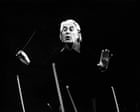
Sergiu Celibidache, a conductor celebrated for his exceptional musical performances, was also notoriously averse to recordings, a stance that defined a significant aspect of his professional legacy. His son, who has written a new film about him, offers a personal perspective on Celibidache as both a loving father and an uncompromising, demanding individual. This duality is illustrated by an anecdote where Celibidache, despite his affection for children's freedom and truthfulness, once terrified a young boy who sought an autograph. The conductor's harsh reaction stemmed from his awareness of a black market that profited from his signature, a practice he found abhorrent and a betrayal of artistic integrity. This incident highlights Celibidache's intense commitment to his principles and his disdain for commercial exploitation of his work.
Growing up, Celibidache's son experienced a privileged childhood, receiving gifts from admirers worldwide. While his mother endeavored to maintain a sense of groundedness, these presents were also a manifestation of his father's efforts to compensate for his frequent and prolonged absences. Celibidache was often on tour with his orchestras, dedicating substantial periods to his conducting engagements. These tours, while contributing to his international acclaim, meant significant time away from his family, a sacrifice that his son acknowledges as part of his father's life dedicated to music. The conductor's artistic philosophy extended beyond his performances; it encompassed a holistic view of music and its dissemination, which led to his strong opposition to commercial recordings.
Celibidache's aversion to recordings was not merely a personal preference but a deeply held conviction rooted in his belief that music is a living, ephemeral art form that cannot be adequately captured or replicated through mechanical means. He argued that recordings, by their very nature, freeze a performance in time, stripping it of the spontaneity, dynamic interaction with the audience, and the unique atmosphere of a live concert. This perspective positioned him as an outlier in the music industry, where recordings had become a primary source of income and a crucial tool for building an artist's reputation. His refusal to allow his performances to be recorded meant that much of his acclaimed musical output exists only in the memories of those who experienced it live or in limited, non-commercial archives. This uncompromising stance, while preserving his artistic vision, also limited his global reach and commercial impact compared to conductors who embraced recording technology.
The son's film aims to explore these facets of Sergiu Celibidache's life, presenting a nuanced portrait of a man who was both a musical visionary and a complex personality. The narrative likely delves into the philosophical underpinnings of his artistic choices, his relationships, and the personal sacrifices made in pursuit of his demanding artistic ideals. By sharing these personal reflections and anecdotes, the film seeks to provide audiences with a deeper understanding of the man behind the legendary conductor, acknowledging both his profound musical genius and his challenging personal characteristics. The legacy of Sergiu Celibidache, therefore, is not solely defined by his dazzling music-making but also by his principled stand against the commodification of art and his unwavering dedication to the ephemeral nature of live musical performance.
Original source — read the full reporting at the publisher:
Read on The Guardian CultureGet the weekly AI digest
AI news + new model releases, weekly. Drafted by our agents, reviewed by humans.