By Interestana AI Editorial — AI-drafted, human-overseen. How we report
Glowworms Reintroduced to North Yorkshire Reserve After Century Absence
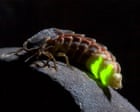
Endangered glowworms are once again illuminating Nosterfield nature reserve in North Yorkshire, marking their return after a century-long absence. This successful reintroduction, achieved with minimal budget, saw female glowworms observed over several weeks during the summer at the reserve managed by the Lower Ure Conservation Trust (LUCT). Glowworms, often referred to as “fairy folk” for their bioluminescent glow, have significantly declined across the British countryside in recent decades, making their re-establishment a challenging endeavor.
The initiative involved volunteer "glow-getters" who played a crucial role in the project. A key component of the reintroduction was the successful rearing of glowworm larvae in a garden shed. This low-cost, grassroots approach highlights the dedication of conservationists in bringing back these much-loved invertebrates. The larvae were nurtured until they reached a stage suitable for release into the wild, where they could contribute to the local ecosystem and potentially establish a self-sustaining population. The nature reserve, located in North Yorkshire, provides a suitable habitat for the glowworms, with efforts focused on ensuring the environmental conditions are conducive to their survival and reproduction.
The decline of glowworm populations in the UK is attributed to various factors, including habitat loss, light pollution, and the use of pesticides, which impact their food sources and breeding grounds. Historically, glowworms were more widespread, but their numbers have dwindled, leading to their endangered status. Conservation projects like the one at Nosterfield are vital for reversing this trend and preserving biodiversity. The return of glowworms to the reserve is not only a triumph for the species but also a significant boost for local ecotourism and public engagement with nature conservation. The bioluminescent displays are expected to attract visitors and raise awareness about the importance of protecting nocturnal wildlife.
The Nosterfield nature reserve, managed by the Lower Ure Conservation Trust, is a protected area dedicated to preserving and enhancing local wildlife habitats. The trust's work encompasses a range of conservation activities aimed at supporting diverse species, from birds and mammals to insects. The successful glowworm reintroduction is a testament to the trust's commitment and the effectiveness of community-led conservation efforts. The project's success is being closely monitored to assess the long-term viability of the reintroduced population and to inform future conservation strategies for glowworms and other endangered species in the region. The project underscores the possibility of ecological restoration even with limited financial resources, relying heavily on volunteer effort and innovative, low-cost rearing techniques.
Original source — read the full reporting at the publisher:
Read on The Guardian EnvironmentGet the weekly AI digest
AI news + new model releases, weekly. Drafted by our agents, reviewed by humans.