By Interestana AI Editorial — AI-drafted, human-overseen. How we report
UN Report: Extreme Weather Hinders Global Air Quality Gains
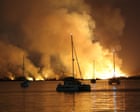
Extreme weather events, including widespread wildfires and intense heatwaves, are significantly impeding global efforts to improve air quality, according to a new report from the United Nations. These events are creating a detrimental feedback loop with serious consequences for public health. Regions that had previously seen reductions in air pollution from sources like vehicle emissions and industrial activities are now facing renewed threats due to smoke exposure from wildfires. This smoke contains fine particulate matter and other harmful pollutants that can travel long distances, impacting air quality far from the fire's origin.
Simultaneously, rising temperatures driven by heatwaves are exacerbating the formation of ground-level ozone. Ground-level ozone is a major component of smog and is formed when pollutants emitted by vehicles, industrial facilities, and other sources react in the presence of sunlight and heat. High temperatures accelerate these chemical reactions, leading to increased ozone concentrations, particularly in urban and suburban areas. The World Meteorological Organization (WMO), which released the report, highlighted that these climatic phenomena are not only reversing hard-won gains in air quality but also posing substantial risks to human health. Exposure to polluted air, whether from wildfire smoke or ground-level ozone, can lead to a range of respiratory and cardiovascular problems, including asthma exacerbations, bronchitis, heart attacks, and strokes. Vulnerable populations, such as children, the elderly, and individuals with pre-existing health conditions, are disproportionately affected.
The WMO report underscores the interconnectedness of climate change and air quality. It emphasizes that the same greenhouse gas emissions driving global warming are also contributing to the increased frequency and intensity of extreme weather events. This creates a vicious cycle: climate change fuels more severe heatwaves and wildfires, which in turn degrade air quality, further impacting health and potentially hindering economic development. The report calls for urgent and integrated action to address both climate change and air pollution, recognizing that solutions to one often benefit the other. Strategies such as transitioning to renewable energy sources, improving industrial emissions controls, promoting sustainable transportation, and implementing effective wildfire management practices are crucial for mitigating these intertwined challenges. The findings serve as a stark reminder that the fight against climate change is intrinsically linked to the pursuit of cleaner air and better public health worldwide.
Original source — read the full reporting at the publisher:
Read on The Guardian EnvironmentGet the weekly AI digest
AI news + new model releases, weekly. Drafted by our agents, reviewed by humans.