By Interestana AI Editorial — AI-drafted, human-overseen. How we report
Swedish Politicians Target Sami Reindeer Herding Rights
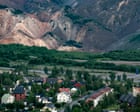
Swedish politicians, notably Deputy Prime Minister and Energy Minister Ebba Busch, have intensified public criticism of the Indigenous Sami people's traditional rights to graze reindeer on ancestral lands. In late April and May, as Sweden prepared for elections, Busch delivered speeches and published articles questioning the significance of reindeer husbandry, stating at a press conference that it "is an industry that affects very large areas, but has limited economic significance." This rhetoric has heightened concerns within the Sami community, particularly the Gabna community, who fear their traditional herding routes will be jeopardized by increased mining activities. The dispute centers on the potential development of rare-earth mineral mines, which require extensive land use, creating a direct conflict with the Sami's long-established practices. Åsa Larsson Blind, a Swedish-Sami politician, described the escalating discourse as a "watershed moment" in the national conversation surrounding Indigenous rights in Sweden. The Sami people, an Indigenous group spanning parts of Sweden, Norway, Finland, and Russia, have historically relied on reindeer herding, a practice deeply intertwined with their culture and economy. Their land rights are protected under Swedish law, but the expanding demand for minerals essential for green technologies, such as electric vehicles and wind turbines, is placing increasing pressure on these traditional territories. Critics argue that the government's stance, particularly from the Sweden Democrats and the Moderate Party, which Ebba Busch represents, prioritizes industrial development over Indigenous rights and environmental protection. The Gabna community specifically has expressed fears that proposed mining projects could fragment their grazing lands, disrupt migration patterns, and ultimately threaten the viability of their reindeer herding way of life. This conflict highlights a broader global tension between resource extraction for the green transition and the rights and livelihoods of Indigenous populations. The Sami Parliament, the representative body for the Sami people in Sweden, has been actively engaged in advocating for their rights and has voiced strong opposition to mining projects that infringe upon their traditional territories. The debate has also drawn attention to the historical context of Sami land rights and the ongoing struggle for recognition and self-determination. The current political climate, characterized by a surge in far-right rhetoric, has amplified anxieties among the Sami, who feel increasingly marginalized and under threat. The outcome of this dispute could set a precedent for how Sweden balances its resource needs with its commitments to Indigenous rights and environmental sustainability, particularly as the global push for critical minerals intensifies.
Original source — read the full reporting at the publisher:
Read on The Guardian EnvironmentGet the weekly AI digest
AI news + new model releases, weekly. Drafted by our agents, reviewed by humans.